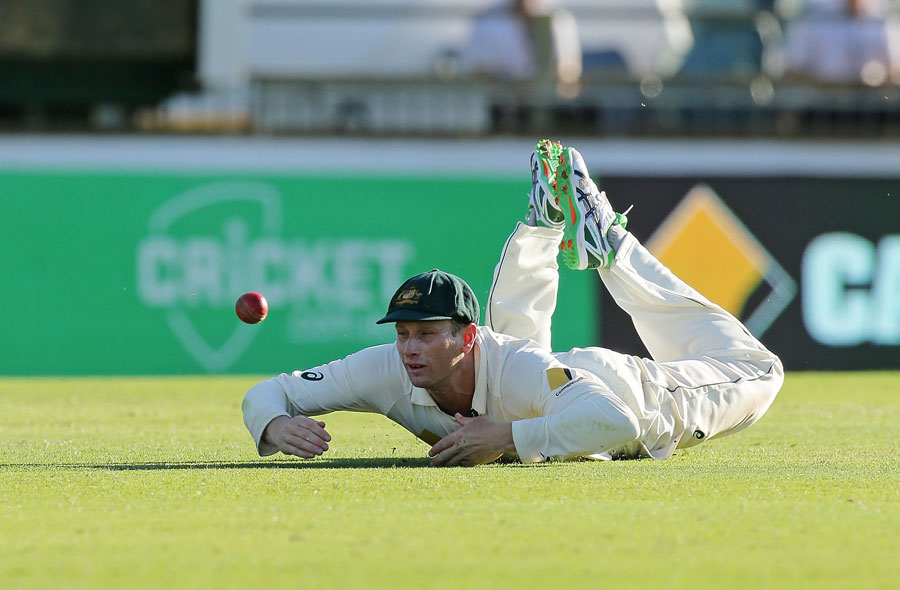
Vital questions to be answered as Australia hit rock bottom

A fifth straight Test loss, coupled with a recent 5-0 ODI whitewash in South Africa has left Australian cricket in a state of desolation. But what can be done to stop the rot with key series against Pakistan and India on the horizon?

I look at five important questions Australian cricket needs to answer moving forward.
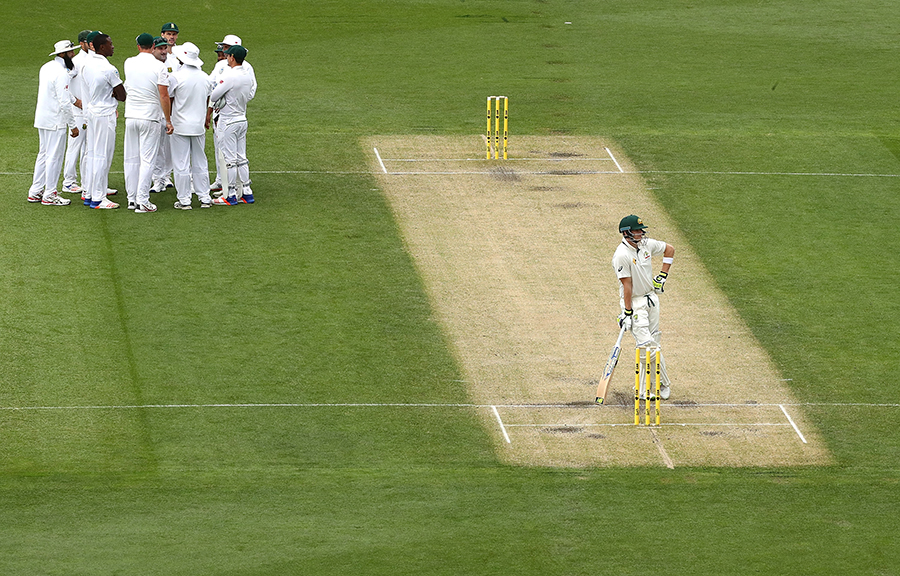
steve-smith
Steven Smiths fights a lone battle as wickets tumble around him in Hobart. (Photo Credit: Cricket Australia/Getty Images.)


Why is there such a lack of fight with the bat?

“We are not resilient enough, we are not digging in enough, we are not having the pride in our wicket, we’re just not being resilient enough and something has got to change.” – those are the words of captain Steven Smith after his side were humiliated to the tune of an-innings and 80-run defeat against South Africa in Hobart.

Lately when the going gets tough, the batting simply folds. Three alarming batting collapses of 10 for 86 in Perth as well as 10 for 85 and 8 for 31 in Hobart have all occurred across just four innings in the current series. This isn’t just a recent issue either. In Colombo, just a couple of months back, they lost 10 for 86. Last year they were bowled out for 60 at Trent Bridge.

While the technical deficiencies against both swing and spin have been mentioned many times before, the recent lack of fight with the bat is astonishing. Be it a confidence or mental issue, it appears to be rapidly spiralling out of control. When the going gets tough you’d always expect an Australian side to fight for the collective cause, to fight for the baggy green with a certain level of passion and pride. But recently there has been a worrying trend to simply throw the towel in when victory appears out of reach.

These issues certainly haven’t been lost on the selectors either. They were so worried about the batting that they included South Australian quick Joe Mennie at the expense of the more experienced Jackson Bird, because he had a better first-class batting average. Likewise, allrounder Mitchell Marsh was jettisoned in Hobart in favour of a sixth batman in Callum Ferguson – ultimately it had the adverse effect with Australia getting shot out for 85 in just 32.5 overs. Coincidently the last time they entered a Test match with six batsmen and no allrounder was the 60 all out at Trent Bridge.

While the batsman talk a good game, with suggestions of playing the “Australian Way” – an aggressive front foot approach to dominating all types of bowling regardless of the match situation or conditions – they don’t appear to be driven enough to knuckle down and absorb pressure when the opposition bowlers are on top. Although the shear number of limited overs cricket has led to an increase in the run rate of Test matches, there is still a place in the game for batting time and putting a hefty price on one’s wicket. Apparently, someone forgot to mention this to the Australians.


Is there a cultural shift in Australian cricket?

There was talk after a failed Olympic games campaign earlier this year that Australian athletes are “Going Soft”. It was also suggested that each medal won by the Olympic team had cost the taxpayers around $20M. Back then the nation’s public were demanding answers. While the failures of their cricketing counterparts are not costing anywhere near that amount, do they also have a right to question whether their cricket team has, in fact also, gone soft?

As the mind wanders back to the Australian cricket teams of yesteryear, it instantly thinks of eleven tough men. Mates, willing to do all they can to achieve collective a success. Sledging and on field nastiness were bred into them during years of Grade cricket and sustained into the international arena.

There was a time when Australian cricketers were just blokey blokes. During the seventies Jeff Thomson kept fit by hunting pigs in his spare time, in the late eighties David Boon once drank 52 cans of beer on a pre-Ashes flight from Sydney to London and in the nineties Glenn McGrath regularly mocked the opposition as much as his bowling castled them.

How things change. In the present, there wasn’t even any pre-series gloating before the South Africans had arrived down under. Not from the Aussies anyway. Instead It was the visitors who did the talking and ultimately backed up their words with strong actions on the field.

It is just a severe of lack confidence that has quietened Smith’s men or it is a shift in the culture of this team?

It appears there is currently a significant lack of leaders and characters in the home dressing room. With the amount of backroom staff now around, perhaps the lack of having to think for one’s self is diluting the leadership qualities of the modern-day player.

Australia has always had a loud authoritative figure at its helm, right from the days of Ian Chappell through to Ricky Ponting and Michael Clarke. Unfortunately, Smith – as good a batsman as he is – just isn’t cut from the same cloth. Aside from David Warner (who has mellowed quite considerably in recent times) it appears to be a dressing room full of quiet voices.

While Smith’s captaincy is currently in no doubt after he showed plenty of fighting qualities in his two “leading from the front” knocks in Hobart, he needs stronger voices and opinions around him both on and off the field.

Moving forward, one option would be to bring back Matthew Wade to keep wicket instead of the underperforming Peter Nevill. Wade is a fighter. Not only would he add more with the bat, but as a state captain for Victoria he would also act as another strong sounding board for his Smith to bounce ideas off.
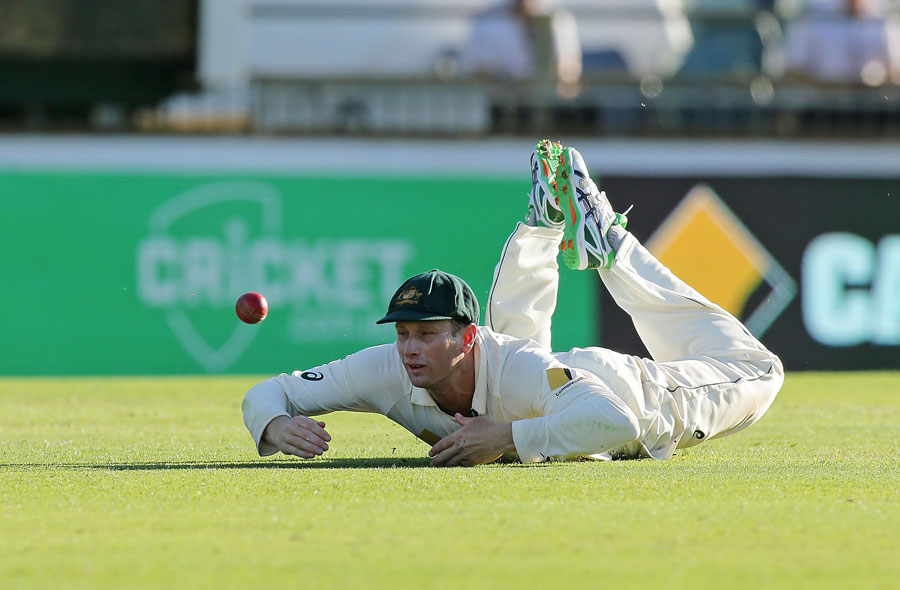
 

adam-voges-career
After a brief and fruitful Test career, Adam Voges looks to have played his final match. (Photo Credit: Getty Images).


Why are so many fast bowlers injured, and what can be done to counter this?

Pat Cummins, James Pattinson, Nathan Coulter-Nile, Joel Paris and Peter Siddle are all currently unavailable for international selection. Taking away those kinds of options from any international side would hurt. For Australia, these days’ such injury predicaments are common place.

Despite the CA hierarchy often insisting on a rest and rotation policy for fast bowlers despite them often being fit to play, the bowling stocks across the nation appear to be as depleted as ever.

Cummins, still only 23 years of age, has not represented Australia in Test cricket his making his debut in South Africa almost five years ago. Meanwhile, persistent back and muscle injuries have also restricted Pattinson to just 17 sporadic appearances in the half-a-decade since he made his Test bow against New Zealand.

Elsewhere, despite being included in previous squads, a combination of hamstring, shoulder and back injuries have prevented Coulter-Nile from yet making his Test debut. He’s currently ruled out for the foreseeable future after picking up a lumbar bone stress issue whilst touring Sri Lanka earlier this year.

Siddle, on the other hand, is a recent victim of the system. Initially diagnosed with an early-stage stress fracture of the back during a Test series in New Zealand in February, he only returned to bowling during the recent Matador Cup. But with other options unavailable for the start of the summer, he was unwisely rushed back into action for the recent Perth Test – despite having bowled in just one first-class match beforehand. He was left out of the Hobart Test after complaining of lower back soreness after the defeat at the WACA.

These are familiar stories.

This time last year I wrote a piece on the perceived depth of quick bowlers in Australia. My drawn-up list included the likes of Pattinson, Cummins, Coulter-Nile, James Faulkner, Jackson Bird and Jason Behrendorff. However, because of the demanding current international schedule and the injuries that coincide with it, these guys are now not necessary the next in line.

One year ago, names such as Scott Boland, Chris Tremain, Joe Mennie and David Worrall were virtually unknowns. Twelve months later and circumstances have meant that they are now legitimate fast bowling options for their country.

So, what can be done to combat these injury issues? With the rest and rotation policy clearing not working as well as CA medical staff would have liked, perhaps it’s time to go back to the old-school approach of allowing fast bowlers to play as much Sheffield Shield and Grade cricket as possible. If the “overs under the belt” approach used to work for players like Thomson and Lillee, then perhaps it’s worth a go for Cummins and co.
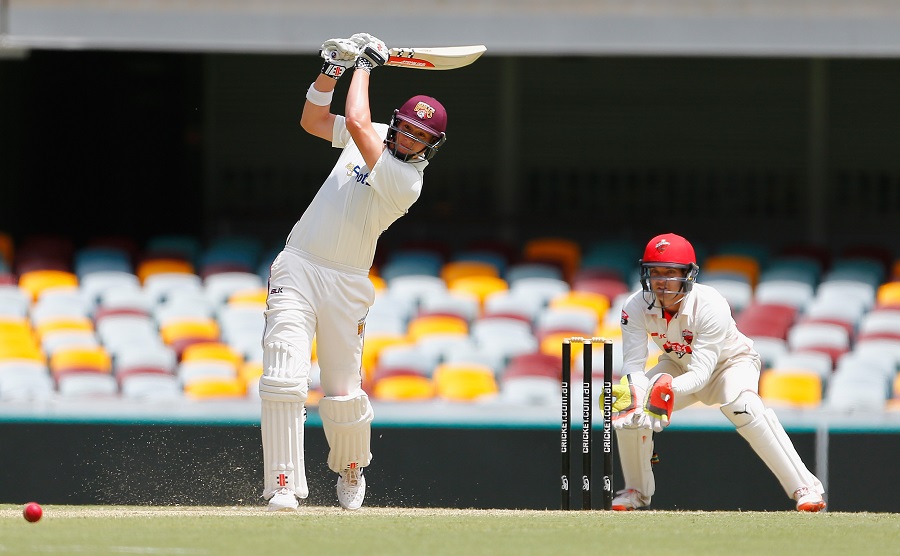
Sheffield Shield - QLD v SA: Day 1
Could Queensland’s English-born opener Matt Renshaw be the answer to Australia’s batting woes? (Photo Credit: Cricket Australia/Getty Images.


Is it time to head back to the drawing board and give youth a go?

Despite a spectacular Bradman-esque start to his international career, old father time is finally catching up with Adam Voges – who is averaged just 14.8 across his past ten Test innings.

Although the veteran right-hander isn’t the only one under considerable pressure to keep his place for the upcoming third Test at the Adelaide Oval, at 37 he appears the most likely to make way as the selectors look to freshen up the batting line-up with younger talent.

Like Voges, father time has also caught up with Cricket Australia’s recent policy of picking experienced batsman such as Callum Ferguson and Chris Rogers. While the system has brought some success – most notably with Rogers – it was only ever seen as a short-term measure as no younger options were demanding outright selection.

With next year bringing a tour to India as well as a home Ashes campaign, now’s the time for the next generation of Australian batsmen to stand up. Recent success stories such as England’s Haseeb Hameed and Kusal Mendis of Sri Lanka, should provide the selectors with some hope that by taking a punt on a promising young player they could gain both short and long-term rewards.

So, who are next in line? Despite no one knocking the door down with a mountain of Shield runs, the early front runners appear to be; South Australian pair Travis Head and Jake Lehmann, New South Wales’ Kurtis Pattinson, Victorian Peter Handscomb and Cameron Bancroft of Western Australia. If the selectors chose to go even younger then Queensland pair Matt Renshaw (20) and Sam Heazlett (21) would represent their best current options.

With Smith, Warner and Usman Khawaja seemingly locked in for the foreseeable, as many as three batting berths look to be up for debate heading in the next Test match. The squad is due to be announced on Sunday after the latest round of Shield matches.


Has there been too much resting on laurels in the top hierarchy of Australian cricket?

In short, Yes.

Before Rod Marsh resigned from his position as chairman of selectors on Wednesday, things had been running along cosily for quite some time at Cricket Australia’s Melbourne headquarters.

In fact, not since Mickey Arthur was fired before the 2013 Ashes series has there been any significant upheaval in the CA ranks. While the appointment of coach Darren Lehmann has brought some extreme highs including a 5-0 Ashes whitewash and a World Cup victory on home soil, it has also brought huge lows such as the away series defeats in the UAE, England and Sri Lanka.

There is a thought that those highs have led to a certain complacency among the hierarchy with each of James Sutherland, Pat Howard and Lehmann judged to be sitting with their feet too comfortable under the Cricket Australia table.

Chief executive Sutherland has been his post for since 2001, while Howard was appointed in awake of the 2011’s Argus review. Lehmann – who was brought in to replace Arthur in 2013 – has meanwhile, recently given a contract extension that will take him through until the conclusion of the 2019 World Cup and Ashes campaigns in England.

If further changes are to accompany the exit of Marsh in the wake of recent performances, then it would seem most likely that Howard’s head would be first onto the chopping board. It’s often hard to comprehend what Howard’s current role even consists of… From the outside looking in, he appears to be the high-performance chief of a hugely underperforming side. His present contract is due to run out in the middle of next year. Will he be allowed to see his term out or will he follow Marsh out of the door before his current deal expires?
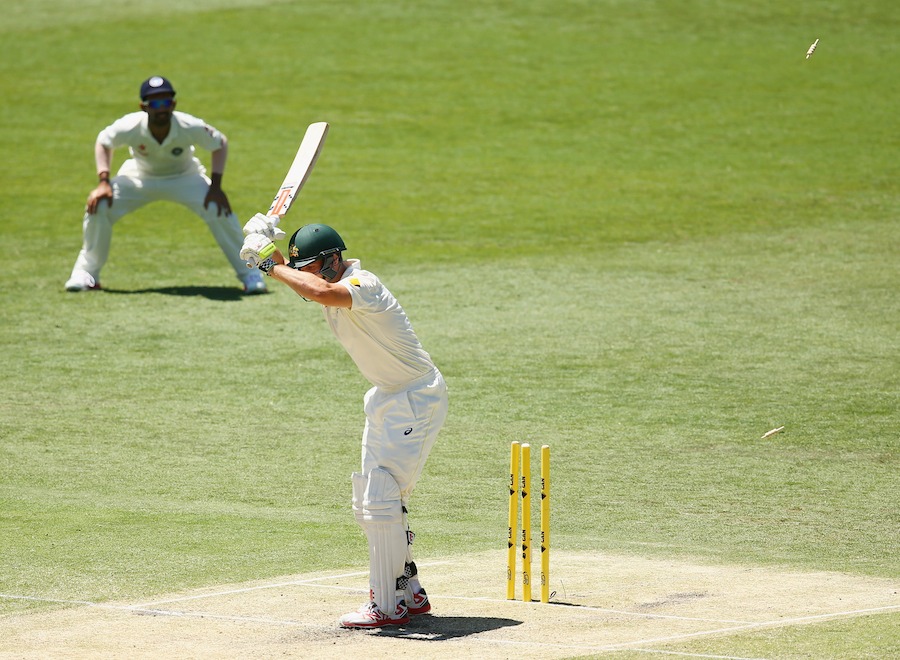
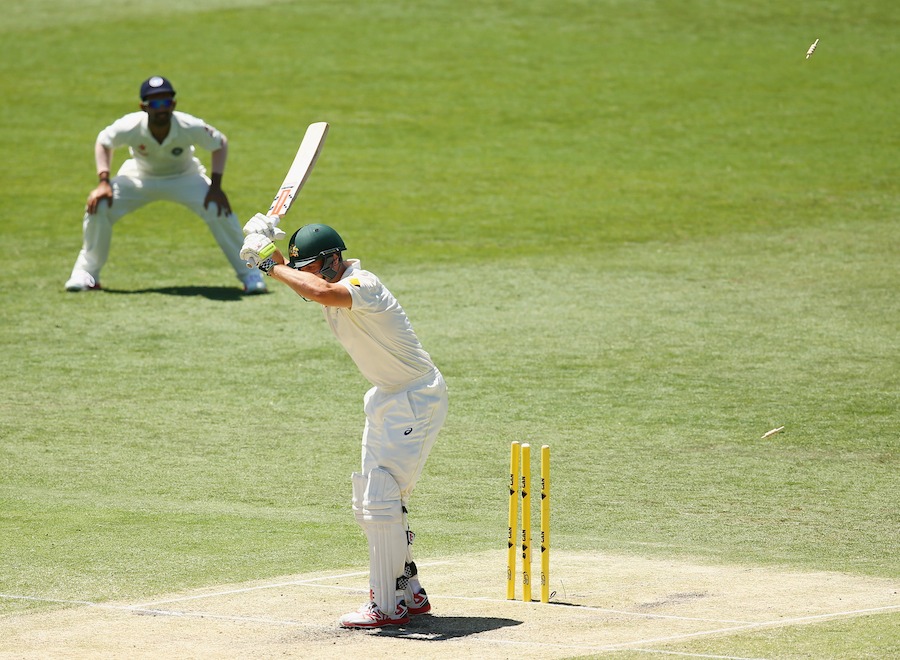
 

Batting woes leave Mitchell Marsh skating on thin ice

Lack of quality alternatives have led to a certain leeway with the selectors, however, going forward the allrounder’s form with the bat remains a serious concern.

2nd Test - Australia v India: Day 3
Photo Credit: Getty Images.


Last Friday when asked about the batting form of Test allrounder Mitchell Marsh, Australian chairman of selectors Rod Marsh went out of his way to make a clear ultimatum towards the Western Australian’s Test summer. It went along the lines of: He needs to get a Test hundred I reckon.”

Fast forward a week to the second day’s play of the first Commonwealth Test match at The WACA. The scenario reads: Australia coasting towards South Africa’s paltry first innings total of 242. David Warner and Shaun Marsh are sailing along smoothly at 0-158 before a dramatic (all-too-familiar) batting collapse sees the Aussie’s lose four wickets for just 23 runs. Enter Mitchell Marsh replacing his brother Shaun at the crease and seemingly set for a “Silencing the doubter’s innings”.

A firm and quick WACA deck, a loving home Perth crowd – including father Geoff, and against a Dale Steyn-less South African attack – surely today would be the day to quieten the concerns of both selectors and supporters alike. A maiden Test hundred at The WACA awaited surely…

Except this is sport and not a hometown fairy tale for Marsh. Vernon Philander found some decent movement with a fifty-over old kookaburra cherry and slide one into the front pad, Marsh’s Puma bat wasn’t even in the picture. Dismissed for an eighth-ball duck was certainly not part of the grand plan.

While Marsh brings plenty of other strings to his bow – most noticeably his gun fielding in the gully region and a more than handy first-change seam bowling action – it’s been made clear by Rod Marsh that his role in the side is predominantly as a number six batsman. On that front an average of just 23.07 across 30 Test innings doesn’t read all too easy on the eye.

The potential is of course there. It always has been. A maiden ODI hundred against India in January suggested at a breakout period, so did the match-winning 69 not out in Wellington just two weeks later. But although he was “Batting as well as anyone” during the disastrous tour of Sri Lanka recently, he only managed scores of 31, 25, 27, 18, 53 and 9 – middling scores suggesting he’s first got himself in, and then found ways to get dismissed when something more substantial looked on the cards. Parallels can certainly be made with his predecessor Shane Watson – easy on the eye but lacking the match defining contributions required at Test level.

The problem for the Australian selectors is the lack of international-standard competition in the seam bowling allrounders role. Should the selectors finally lose patience with their project player – And they have invested a lot into the development of Marsh – then New South Wales’ Moises Henriques would represent the obvious replacement.

Returning to Henriques would bring with it a different set of question marks though. While he has dominated with the bat in recent Sheffield Shield campaigns, his bowling is vastly inferior to anything offered by Marsh. Besides he looked very much out of his depth whilst facing the turning ball during his one Test in Colombo recently. With a Test tour of India looming in the new year, his inclusion looks unlikely.

Other options would be to include Victorian Marcus Stoinis, who – despite being a serial ‘A’ team squad member – hasn’t, at 27, kicked on as much as Cricket Australia would have once hoped. Likewise, James Faulkner has suffered from injuries whilst being mainly pigeonholed as a limited overs specialist lately.

Fellow seam-bowling allrounders such as Western Australia’s Hilton Cartwright, (aged 24) and Jack Wildermuth (23) of Queensland also spring to mind as future options, however both currently lack enough experience at first-class level to be considered as viable inclusions.

Another option would be to call up Travis Head. A batsman the selectors are seriously keen on after he has shown impressive batting and leadership qualities in the past year. After being called up to train with the Test squad during the final Test against Sri Lanka in August, it remains only a matter of time before the South Australian captain is given a chance at Test level, although it seems he may be viewed as a long-term replacement for the veteran Adam Voges at number five. With both Mitchell Starc and Peter Siddle working their way back to full fitness after injuries it remains likely that the policy of three quicks, Nathan Lyon and a seam-bowling allrounder will not change anytime soon.

With Marsh struggling with live up to expectations with the bat, it doesn’t help that the man behind him in the order is also fighting his own demons with the willow. Peter Nevill’s position in the side is too being debated with the wicketkeeper averaging just 20.88 since dispensing Brad Haddin during last year’s away Ashes campaign. While Nevill has been nothing short of excellent with the gloves, his Test average is 17.00 down on his first-class record.

Although he was unlucky to be dismissed caught at first slip in the first innings at The WACA when he didn’t hit the ball (and his side were out of reviews after both Steven Smith and Shaun Marsh used them to no avail earlier in the day) with the batting carrying an over-reliance on both Smith and Warner the pressure will be on the likes of Marsh and Nevill to start making the contributions their team requires.

For Marsh it looks like that maiden Test hundred will have to wait another day.


Australia fail to arrest spin deficiencies

It’s beginning to sound like a broken record. But once again when faced with quality spin bowling on a surface offering some assistance, Australia’s batsman have finished second best.

CRICKET-SRI-AUS
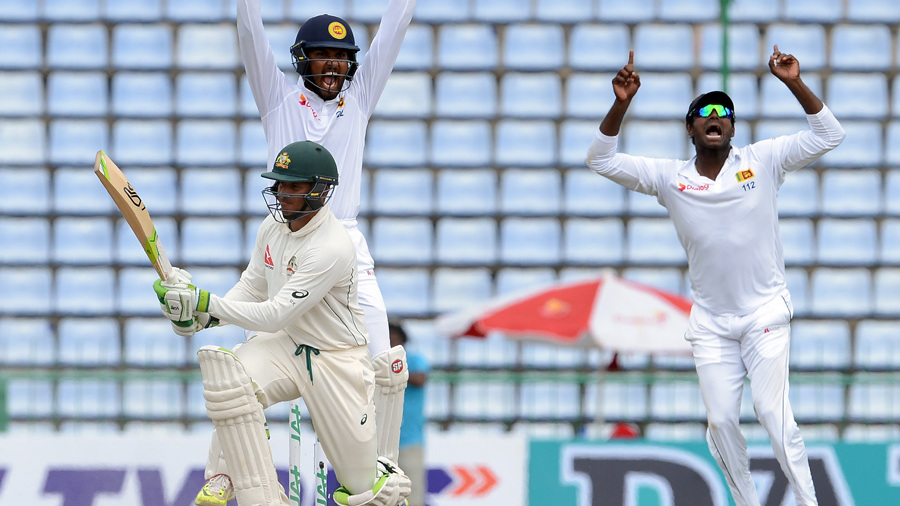
Usman Khawaja falls LBW to Dilruwan Perera as Australia’s struggles on turning pitches continued in Kandy. (Photo credit: LAKRUWAN WANNIARACHCHI/AFP/Getty Images)

In the end not even the predicted rain could save them in Kandy. Despite being favorites for the Warne-Muralitharan Trophy before the first Test match, Australia instead find themselves 1-0 down with just two Tests to play. The 106-run defeat at the Pallekele International Stadium adds another chapter to Australian cricket’s recent catalogue of struggles on the subcontinent.

Despite staunch resistance from Peter Nevill and the injured Steven O’Keefe, who added a painstaking stand of 4 runs from 178 deliveries, it wasn’t enough as the hosts wrapped up victory before tea on the fifth day. For Australia it was a seventh consecutive Test match loss in Asia.

Their shortcomings against the spin offerings provided by the Sri Lankan trio of Rangana Herath, Lakshan Sandakan and Dilruwan Perera are certainly no aberration. Such deficiencies have been going on for decades and they currently look no closer to being arrested than they were after the disastrous tour of India three years ago.

After dismissing the hosts for 117 on the first day of the Test, the Australians could only muster a first-innings lead of 86. Eventually set 268 to win after a masterful third innings 176 by rookie Kusal Mendis, they folded for 161 on day five with Herath and Sandakan sharing 16 wickets in the match.

On dry turning wickets, the Australians have struggled against all varieties of slow bowling. Be it the legspin of Yasir Shah and Devendra Bishoo, the left-arm orthodox of Herath and Ravindra Jadeja, the left-arm chinaman of Sandakan and Tabraiz Shamsi, or the offspinning showings of Ravichandran Ashwin and Sunil Narine. Against Australia no spin bowler is ever discriminated against.

It’s been almost five years since Australia last celebrated a Test or series victory on Asian shores. In fact it was on their last tour of Sri Lanka, where they claimed a 1-0 series victory, thanks largely to the excellent batting of a certain Mike Hussey. Since then they have struggled desperately, often faced with scoreboard pressure and several men hovering around the bat.

Since that 2011 series win there has been nothing but heartbreak in Asia. The early 2013 tour of India – which will forever be known as the homeworkgate series – was the beginning of a disastrous spell from the Australians. The likes of Ashwin, Jadeja, Harbhajan Singh and Pragyan Ojha turned Australia ragged on that occasion during a 4-0 Indian whitewash. Further strife was endured during a 2-0 Pakistan series victory in the UAE in October 2014 where this time the legspin of Shah and the canny left-arm spin of Zulfiqar Babar proved to be the visitor’s downfall.

nevill
Peter Nevill is finally dismissed after holding Sri Lanka at bay for 115 deliveries. Photo Credit: Getty Images.

Other shortcomings against spin have also occurred outside of Asia too. A 2014 ODI loss to Zimbabwe was compounded by an inability to score off a quartet of modest spinners, while the likes of Bishoo and Narine have troubled the Australians on recent visits to the Caribbean.

Perhaps overconfidence or a lack of patience is often to blame for their careless batting. This was best epitomized in the first innings dismissal of Steve Smith. The Australian captain – who’s commonly renowned as the country’s best player of spin since his predecessor Michael Clarke – was well set on 30 before an ugly heave against Herath resulted in his departure at a crucial part of the match. Australia should have shut Sri Lanka out of the match thereafter, instead they only claimed a first innings lead of 86 when something over 200 would have made life extremely difficult for the hosts.

Despite being well aware of their struggles against spin bowling, what more can Australia do to conquer their fears over the turning ball?

By going to Sri Lanka two weeks prior to their current series, they gave themselves every chance to acclimatize to the humid weather and dry surfaces faced with on the island. While back home work is constantly being done to improve the way the Australians play on turning wickets. Last year a hybrid spin pitch was installed at the Bupa National Cricket Centre in Brisbane. The hope is that the next generation of young Australian batsmen will be able to spend plenty of time honing their skills on the subcontinent-like surface.

Technique wise, going forward they must find a pragmatic but purposeful way of playing the turning ball. A tendency to attack their way out of tough situations may be the Australian way but it’s rarely proved to be the correct way.

Currently faced with two must-win Tests in the coming weeks and then a four-Test series due to commence in India in February, there’s going to be no hiding places for the Australian batsmen. Right now they must find a quick fix before another series on the subcontinent is lost. Seven defeats and counting…


Do Collingwood and Trescothick represent the last of the true county pros?

Veteran batsmen are among a dying breed of experienced ex-international leaders on the county circuit; but can Ian Bell and Jonathan Trott follow suit?

Collingwood & Trescothick
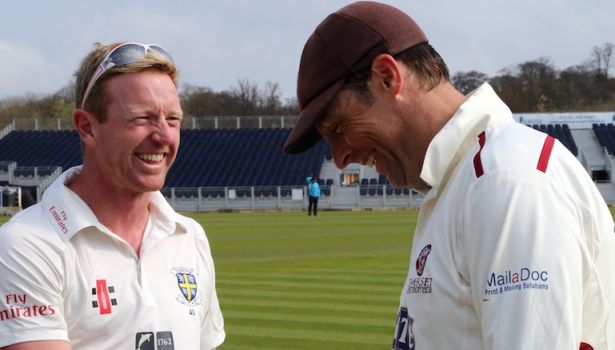
Paul Collingwood and Marcus Trescothick share a moment together earlier this summer. (Photo Credit: Getty Images.)

To witness Somerset’s Marcus Trescothick pull apart a Test-quality Pakistani attack on the way to his 61st first-class hundred this week brought a certain warmth to the heart.

For men like Trescothick, who will turn 41 years old this Christmas, don’t litter the outfields of county cricket like they once did. In fact for sheer age, longevity and leadership qualities perhaps only Durham’s own elder statesman Paul Collingwood, five months Trescothick’s junior, can rival the inspiration offered by the man known as Tresco.

There’s something much underappreciated about the old county pro. If English cricket is to continue its upward curve on the international scene then the influence of such men must not be simply brushed aside. Without their vacuum of knowledge the county game could suffer immeasurably.

With restrictions on the number of Kolpak players allowed and tidy financial incentives being offered to Counties who blood English-qualified youngsters into their systems, the number of former international stalwarts in county cricket is slowly dwindling.

In decades gone by many former England cricketers would have jumped at the chance to finish their careers with their respective home counties, but the landscape is vastly changing. The cricket world is now filled with endless T20 league opportunities, well-paid media openings and attractive coaching roles that tussle for both time and attraction.

Indeed, England’s three previous Test captains Nasser Hussain, Michael Vaughan and Andrew Strauss each showed little-to-no interest in carrying on their county careers once the international limelight had fizzled away.

There are exceptions of course. Mark Butcher played on for Surrey five years after his international career had ground to a halt in 2004 and Mark Ramprakash continued to dominate the county scene for a decade after his England days were numbered in 2002.

While injuries have prevented the likes of Graeme Swann and Matt Prior from continuing in the county game, the blow seems to have been somewhat softened by Swann’s media work with TMS and Prior’s indulge into the world of cycling. Kevin Pietersen, despite a brief return to county cricket with Surrey last summer, was never likely to spend his final playing days out in the pastures of Arundel Castle or Scarborough.

Of course different players are motivated by different things. Be it the monetary aspects, lifestyle choices or simply the need to give something back to the game that has given them so much. Each player has his own reasons for playing on or taking an early retirement.

Sussex v Warwickshire - LV County Championship
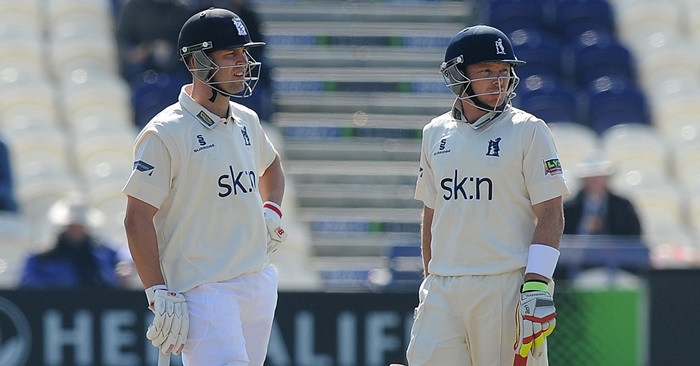
Jonathan Trott and Ian Bell both have the desire and experience to become sucessful county pro’s at Warwickshire. (Photo Credit: Charlie Crowhurst/Getty Images)

With 170 Test caps between them Warwickshire’s Ian Bell and Jonathan Trott represent a new generation of county statesmen. With other batsmen now seemingly ahead of him, Bell’s chances of an England recall appear to be evaporating with each squad announcement. But with the Bears captaincy now in tow and a demanding respect in the county game, Bell could well prolong his career for a good few years yet. On the other hand Trott, much like Trescothick, is just happy to be playing the game he loves away from the international spotlight.

Recently axed by England, Middlesex’s Nick Compton is currently taking time away from the game to reassess his career ambitions. Given that his international career seems to have ended after its second reincarnation, Compton must now decide if he’s keen on the life of a county pro or if opportunities elsewhere jump out as more appealing.

Another man recently faced with the similar decision was Michael Carberry. Jettisoned from the England Test side after the Ashes whitewash of 2013/14, Carberry has since gone on reinvent himself as a number four with Hampshire, having predominantly opened the batting throughout his career.

It can’t be underestimated the fine work both Trescothick and Collingwood have done in recent years. With the bat both men can still provide measurable contributions. Prior to recently breaking his thumb against Yorkshire, Collingwood has added 402 County Championship runs at 57.42. Trescothick has also continued to roll back the years in the West Country with 557 runs at 42.80.

While their inputs with the bat allow for them to continue playing at county level, it’s their abilities to transfer knowledge that continues to be most invaluable asset.

Trescothick, captain of the Somerset first-class side until this summer, has overseen the recent development of the likes of Jos Buttler, Tom Abell and the Overton twins Craig and Jamie.

Since taking over as captain four years ago, Collingwood has performed miracles in the North East. Durham, a county beset by financial cripple in recent times, are now down to the bare bones of a playing squad that keeps punching above its weight when logic predicts otherwise.

The tenure of Colly has instead coincided with the emergence of recent England players Scott Borthwick, Ben Stokes and Mark Wood. While promising England U19 batsman Jack Burnham could hardly ask for a better mentor than Collingwood.

Others warrant a mention too. Nottinghamshire’s Chris Read and Gareth Batty of Surrey deserve huge credit for giving back to the county game. Read, even at 37, remains one of the country’s outstanding glovesmen, while Batty’s leadership of the dressing room after the death of Tom Maynard has been second to none. The 38-year-old now combines his time captaining Surrey with the mentorship of potential England Test player Zafar Ansari.

When players such as Collingwood and Trescothick eventually decide to call it a day, how easily will they be replaced?

That’s a question for later. For now we must sit back and appreciate the county pros of today before they are gone.


Australia’s next generation of Asian talent.

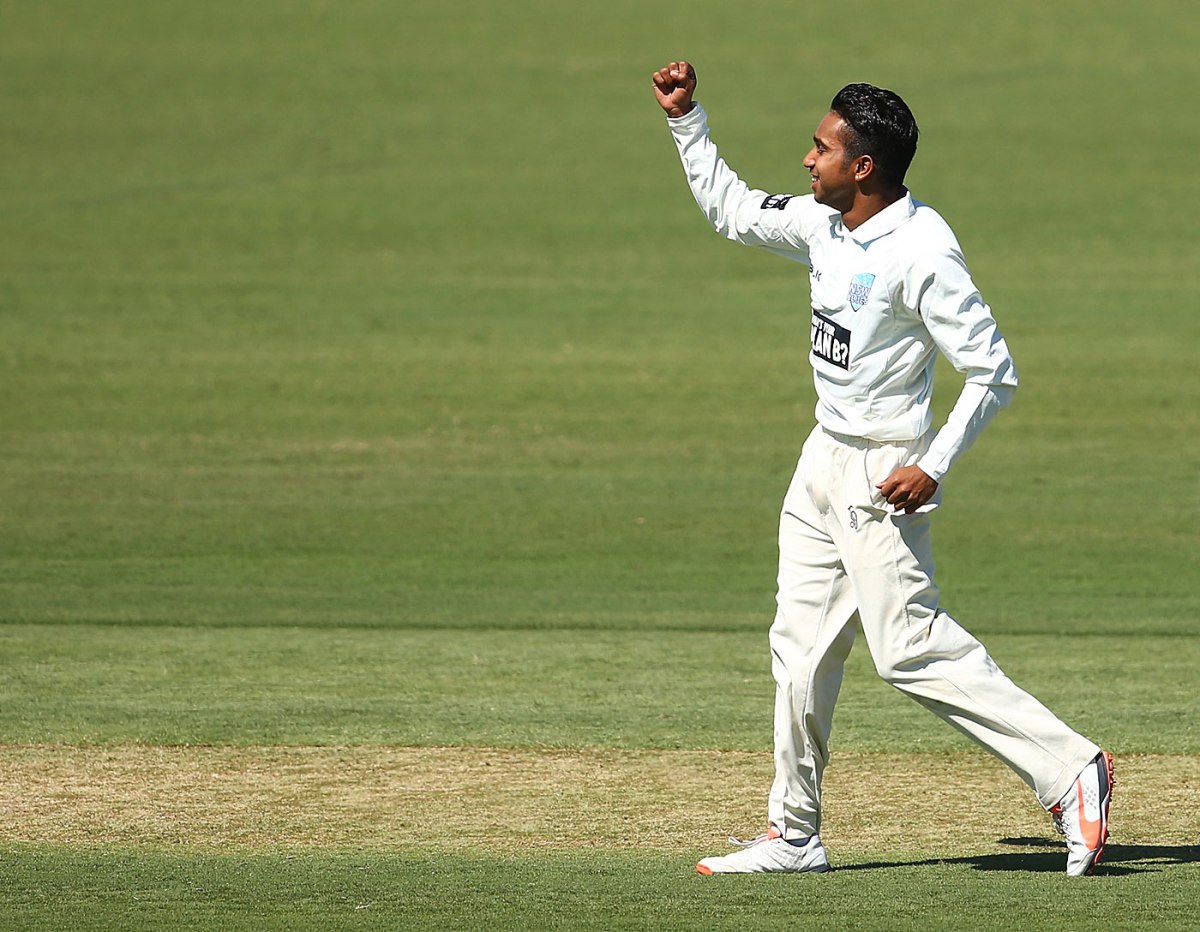
When the New South Wales contracts for next summer were recently released, two names immediately stood out. Arjun Nair and Jason Sangha not only stood out for their undoubted youthful talent, but also because of their ethnicity.  

Jason Sangha
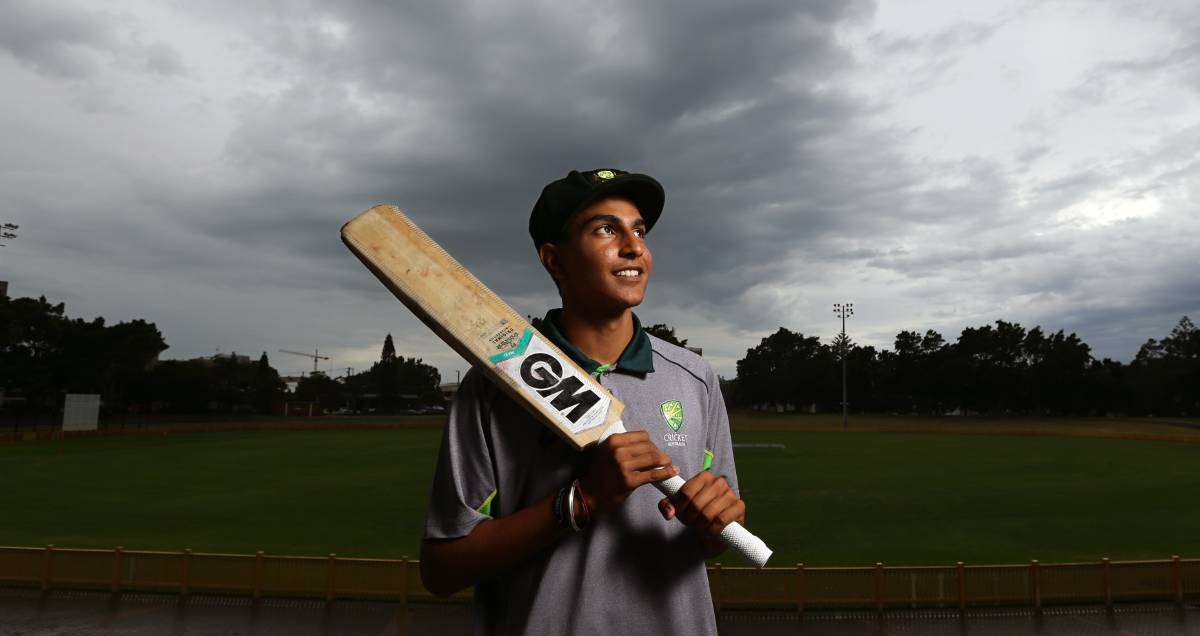
With his elegent style at number three, could Jason Sangha become Australia’s next Usman Khawaja? Photo Credit: Getty Images.

The times are rapidly changing down under. As the country becomes ever more multicultural, gone are the days when cricket was exclusively a white only sport. Indeed now, State’s such as New South Wales are looking to fill their rookie contracts with the next generation of Asian-originated talent.

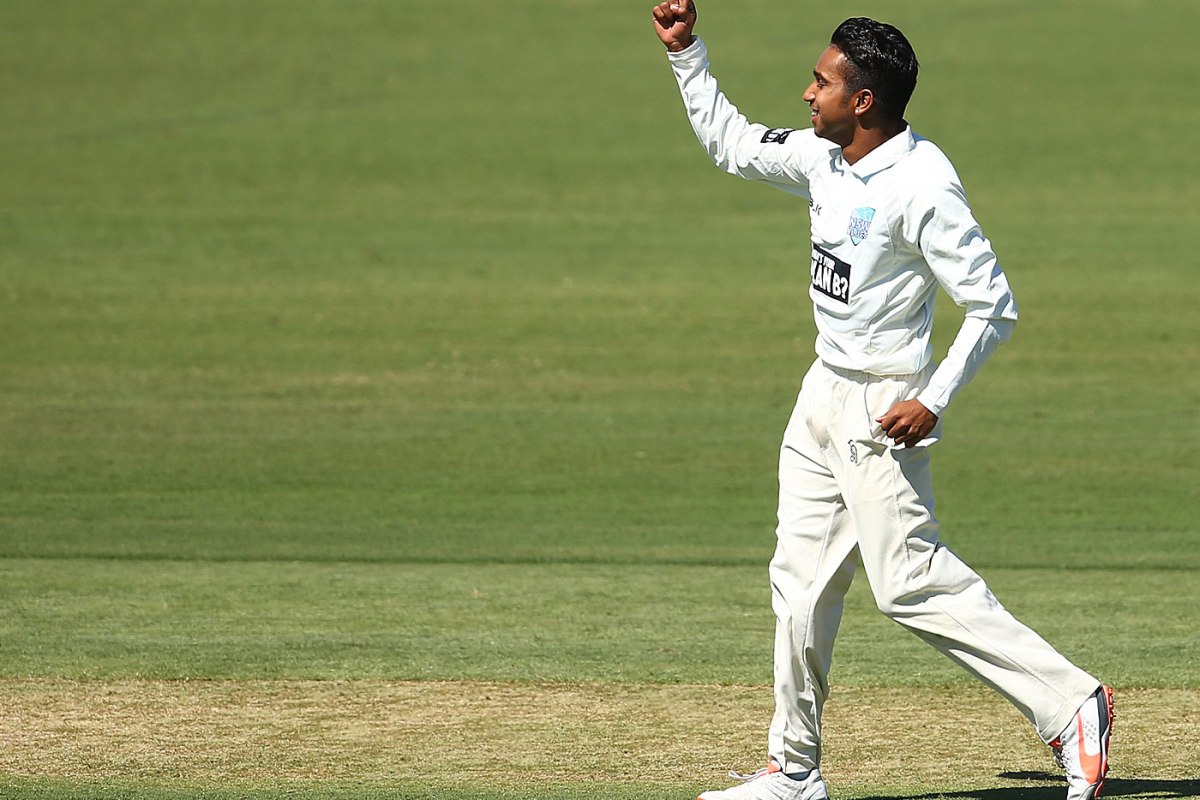
Arjun Nair and Jason Sangha aren’t just there to make up the numbers either. These are two of the most exciting talents to come through the New South Wales system in recent memory. Stylish right-handed batsman Sangha is at 16-years-of-age, the youngest player ever to receive a NSW rookie contract. His fellow youngster Nair, an 18-year-old offspinner, has been rewarded with a full State contract after a sensational year – which saw him rise through the Sydney Grade ranks to become a Sheffield Shield cricketer.

In January the pair made history when they became the first duo of Indian-origin to represent Australia in the same match. Also playing in that fixture against the Pakistan U19 side was another player of Asian-descent. The 19-year-old Wes Agar (younger brother of Ashton), who himself has just landed a rookie contract with South Australia.

With the cricketing landscape finally beginning to catch up with a new diverse Australia, cricketers of Asian-origin are beginning to emerge from pathways previously unlocked in a sport not widely known for its cultural diversity. Past research has shown that the cost of, and time consumed whilst playing cricket has previously alienated Asian youngsters from participating in the game.

Despite a strong “traditionally white” culture still being in place in some parts of the country, major cities such as Sydney and Melbourne have seen an increase in the participation of players with Asian backgrounds. In 2012 Cricket Australia developed a three-year diversity and inclusion strategy aimed at taking the sport to newer diverse communities, through both schools and grass-roots recreational clubs.

And that strategy has recently started to show some signs of fruition. Although there have been players of Asian-descent throughout Australian cricket in the past – Hunter Poon, Dav Whatmore and Richard Chee Quee immediately come to mind – the immergence of new talent such as Nair and Sangha, coupled with the recent success stories of men like Ashton Agar (a Sri Lankan mother), Usman Khawaja (born in Pakistan), Fawad Ahmed (a former Pakistani refugee) and Gurinder Sandhu (whose parents hail from the Punjabi region of India) can only be celebrated as a triumph.

Australian Asians Credit - Jono Searle
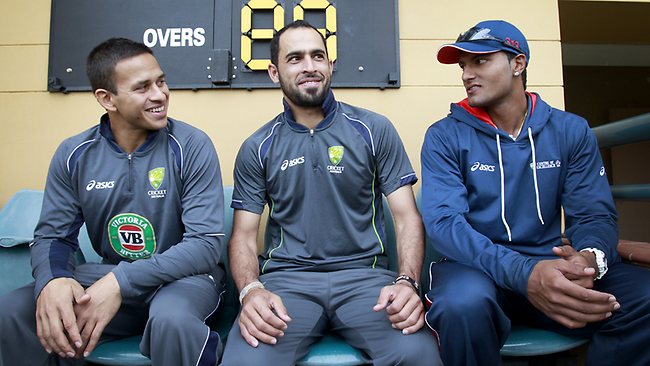
Usman Khawaja, Fawad Ahmed and Gurinder Sandhu are the forbearers to a new generation of Asian-Australian cricketers. Photo Credit: Jono Searle.

Indeed, is there currently a better cricketing role model in Australia than Khawaja? Since returning to the national setup almost a year after suffering a severe knee injury, the nonchalant left-hander has piled up the small matter of 1,006 runs across the three separate formats.

In Australia, such hero’s are vital for the next generation of Asian youngsters. One such youngster is Sangha. Born in the Eastern suburbs of Randwick – but raised further north in Newcastle, the rookie number three is very much a product of Indian-heritage. His languid stroke-play is of subcontiental design and still just 16, he’s beginning to acuminate a hugely impressive CV for a man of such tender age.

If making ones Newcastle first grade bow, for the Wallsend District CC, at just 13-years-old wasn’t enough evidence of his huge potential, then a glowing report from former Australian batting great Greg Chappell should carry enough weight to suggest Sangha’s promise.

 “An elegant stroke-maker with a touch of class that is the hallmark of the very best players.” – Greg Chappell on Jason Sangha’s potential talent.

The high praise from Chappell is evident in his recent performances. Despite only entering last December’s Under-19 National Championship once he had dominated both the School Sports Australia Under-15 tournament and the Under-17 National Championships, Sangha more than held his own by striking 316 runs across his eight innings at an average of 39.50.

And there was even more to come during Sangha’s miraculous rise through the ranks. In January he became the youngest man to score a hundred on debut for the Australian U-19 side during a tri-series victory over Pakistan in the UAE.

Just a month after his exploits of the Australian U-19 side, he was back in New South Wales breaking more records. Firstly, he made his Sydney first grade debut for Randwick Petersham CC, before becoming the youngest player to play Second XI cricket for New South Wales in 91 years whilst playing against the Australian Capital Territory in Canberra.

Sangha certainly hasn’t been the only young player of Asian-descent to make waves in NSW this year. Nair – who was born in Canberra to a migrant couple that originally arrived from Kerala in southern India some twenty years ago – has since continued his cricket development in the western Sydney suburb of Girraween.

Arjun Nair
Arjun Nair made two Sheffield Shield appearences for New South Wales last season. Photo Credit: Getty Images.

Like Sangha, the offspinner has also honed his skills down under with a distinctive Asian flavour. In a recent interview with ESPNcricinfo’s Daniel Brettig, Nair credited his ability to bowl as many as five different deliveries to watching countless YouTube videos of so-called IPL mystery spinners Sunil Narine and Ravichandran Ashwin.

The way such skills are now learnt may signal a new beginning in how young players self-teach using video footage but, like a history of Australian cricketers previously, it’s Grade Cricket where the wheat is separated from the chaff. Similarly to Sangha, Nair made the step-up to senior Grade Cricket whilst just a schoolboy.

At just 15, he became the eighth youngest player ever to play in the Sydney first grade competition when he represented Hawkesbury CC during the 2013-14 summer. He’s since gone from strength-to-strength going from Under-19 state selection to playing Sheffield Shield cricket inside three months.

With regular NSW spinners Nathan Lyon and Steve O’Keefe both absent, Nair was granted a First-Class debut after impressing with match-figures of 9-70 in a Future Leagues clash preceding the match against South Australia in Coffs Harbour.

Such exposure accompanied by a Big Bash League stint with eventual champions Sydney Thunder – where he was rewarded with a Community Rookie spot – can only be beneficial for the development of a player whose batting talents might yet one day exceed his offbreak bowling. This was emphasized no more so than when, in his maiden first-class innings, he scored a backs-to-the-wall 37 from 93-delivieries during a pivotal partnership with Ryan Carters.

With both men now firmly in the grips of New South Wales for the foreseeable future, the future looks bright for the pair, who will looking for more Future Leagues action with the Blues this summer.

And they could yet be joined down under by a 22-year-old Pakistani legspinner. Usman Qadir, the son of former Pakistan legend Abdul Qadir, is currently mulling over a decision whether to return to play cricket in Australia after a lack of playing opportunities in his homeland. After spending time playing Second XI and club cricket (Adelaide CC) in South Australia in 2013, Qadir would have to serve a four-year qualifying period if he harboured any serious hopes of one day representing the Australians.

Although still unconfirmed, Qadir’s story would, to an extent, rival that of fellow Pakistani legspinner Fawad Ahmed. Could this represent a zenith moment for the future of Australian cricket?

Bowral – A step into Bradman country

A trip to the Bradman Museum in Bowral isn’t just about cricket; it’s about Australian sporting history, traditional and culture.

IMG_1624
 

It’s Easter Saturday and a beauty in Sydney. Replacing the dank and drizzle that plagued my Good Friday walk in the Eastern Suburb’s is a bright sky that closely resembles the blue of the nearby Pacific Ocean.

My destination for the day is the Bradman Museum and International Cricket Hall of Fame. Located in the small New South Wales country town of Bowral, the museum is situated almost half-way between the state’s two main cities of Sydney and Canberra.

A lot has happened in Australian cricket in the two years since I last stepped foot in Sydney. Richie and Phillip have sadly left us, a home World Cup crown was secured, an away Ashes series squandered and farewells were aplenty with Pup, Ryano, Bucky, Hadds, Mitch and Watto all leaving the international scene. One thing guaranteed to always remain around these parts though, is the legacy of Sir Donald Bradman.

As I make my two-hour train descent towards Bradman’s final resting place of Bowral, the big city slowly drifts by into a flurry of suburbs and small villages and then, beyond Campbelltown, the beautiful Southern Highlands. One can’t help but to be impressed at the amount of sporting facilities that lie adjacent to the train line. No suburb goes empty handed without AFL, soccer, tennis, cricket and rugby facilities. Many small rural towns even have their own horse racing circuits and golf courses.

Yes, Australia has the good weather and the space to facilitate such sporting resources, but they also have an unrivalled love for sport and the great outdoors. It’s just in their blood. And Bradman is an integral part of that.

Weaving through the Southern Highlands is a joy to behold. Cattle, sheep and horses litter the landscape of rolling hills and tree-laden meadows. Country NSW has never looked so glorious.

As the train enters its final stretch through Mittagong and towards Bradmanland, the excitement becomes intangible. Unrivalled since the morning I wondered down towards Yarra Park for my first visit to the MCG, for such a cricket lover visiting the hometown of the game’s finest player is right up there with other fine memories of the sport.

Having finally arrived at Bowral the walk through the town centre is a pleasant one. A thriving cafe scene enriches the area as the locals gather to discuss the various different footy codes being played over the Easter period. As local children play in the town’s many park areas, you can almost imagine a young Bradman doing likewise some 100 years previously.

Part of The Bradman Walk meanders towards Glebe Park. The recently fallen leaves throw you into an autumnal way of feeling. If it not for the warm easterly breeze, it could well be a late September morning anywhere in England. Instead the profound cries of a nearby swarm of cockatoos reiterates the fact that this is very much Antipodean land.

And then suddenly out of nowhere, I’d arrived at the picturesque Bradman Oval. Encircled by Camden Woollybutt gumtree’s and a smartly painted white picket fence, this again leads me back to a great feeling of Englishness. Indeed, the traditional pavilion puts the cherry atop the English cake.

In a way the Bradman Oval is the closest thing to resembling English cricket across Australia. Sure the WACA ground retains some English-style characteristics in the design of its stands – but how long will it continue to host international cricket once the new Perth Stadium is built? While the Gabba, MCG, SCG and the Adelaide Oval are all now essentially large footy grounds with, occasional, cricketing tenants.

IMG_1652

The museum itself is charming. Throughout the Bradman Gallery the early years of The Don are told aplenty and described in fascinating ways with in-depth accounts of both his adolescent life in Cootamundra and Bowral, and his early cricketing memories. A whole installment is in fact dedicated to his infamous cricket-schooling – involving a stump, a golf ball and a water tank.

Another of the museum’s absorbing features is a segment on Bradman’s Invincibles side of 1948. While we commonly hear of the successes of men like Neil Harvey, Arthur Morris, Ray Lindwall and Keith Miller on that tour, learning more about lesser-known names such as Bill Johnston and Colin McCool was an equally enlightening experience.

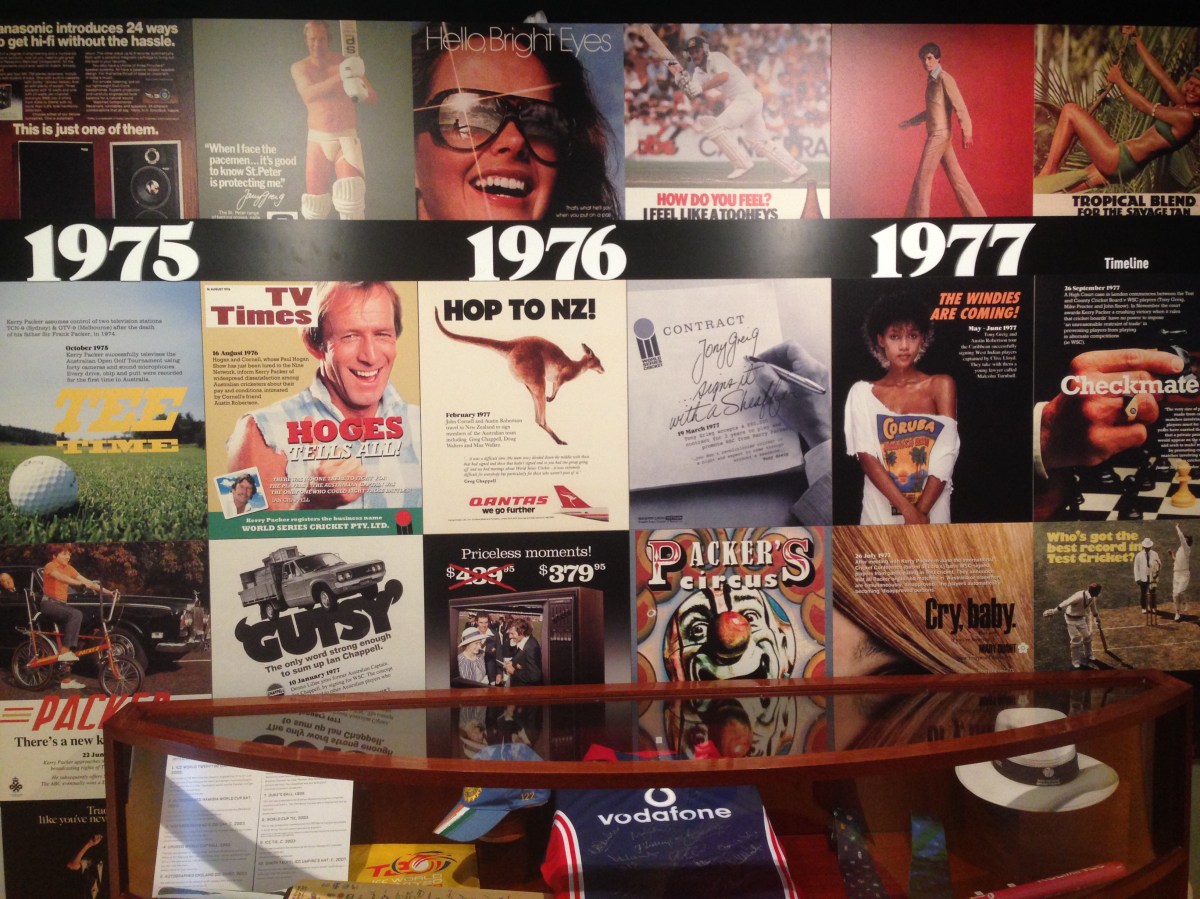
The section Cricket through the Eras, which pays particular attention to both the Bodyline series of the 1930’s and Kerry Packers’ World Series Cricket in the 1970’s, is another worthwhile affair mixing both visual and audile recollections of hugely important periods in Australian cricket.

In a day and age when many cricketers live a predominately freelance existence, it’s equally compelling and surprising to discover the sheer volume of contrasting teams Bradman either represented or encountered. From the inter-village 234 made against Wingello to a knock of 153 against a HD Leveson Gower’s XI at Scarborough – an informative plaque lists every score The Don ever made over 150.

Other interesting features include subjects on The Baggy Green, The Origins, The Greats of the Game, The World of Cricket, The Game and a vertual Kids Backyard section.

A trip to the Bradman Museum is an education in not just cricket; but sporting history, tradition and culture too. For over a century, cricket down under has captured the very essence of Australian life. And Bradman was at its very forefront.


Ten under twenty 2016

With 2015 champions Yorkshire kick-starting another summer of County Cricket with defeat against the MCC in the annual curtain-raiser fixture in Abu Dhabi this week, I take a look to the future with ten young names under-20 to watch out for in 2016.

England U19's v South Africa U19's
At just 18, Yorkshire’s Matthew Fisher looks set to have a long international future in front of him. (Photo Credit: Tony Marshall/Getty Images)

Saif Zaib (Age 17) – Northamptonshire

A stylish left-handed batsman who also bowls left-arm spin, Zaib is highly regarded by many at Wantage Road. In July 2014 – just months after becoming the youngest man ever to represent Northants in an unofficial match against Durham UCCE – he made his much anticipated senior limited overs debut against a touring New Zealand A side aged just 16 and 70 days old.

While he saw his opportunities diminish somewhat thereafter, an impressive string of second XI knocks during the middle of last summer saw him break into the first XI – making both his Royal London Cup and County Championship bows in the process. Despite registering a 12-ball duck on first-class debut, he impressed not long after with an assured 21 off 26 deliveries against a strong touring Australian attack.

What 2016 holds in store?

After signing a new three-year contract prior to last summer, the future looks bright for Zaib. With the departures of club stalwarts Stephen Peters (retired) and Kyle Coetzer (released), there should be more opportunities for him to earn a regular berth in the middle order and follow the likes of Ben Duckett and Olly Stone in graduating through the system in recent years.

With former England spinner Monty Panesar also training with the club during pre-season, expect some of his wisdom and experience to rub off on Zaib’s own left-arm tweakers.

Matthew Fisher (18) – Yorkshire

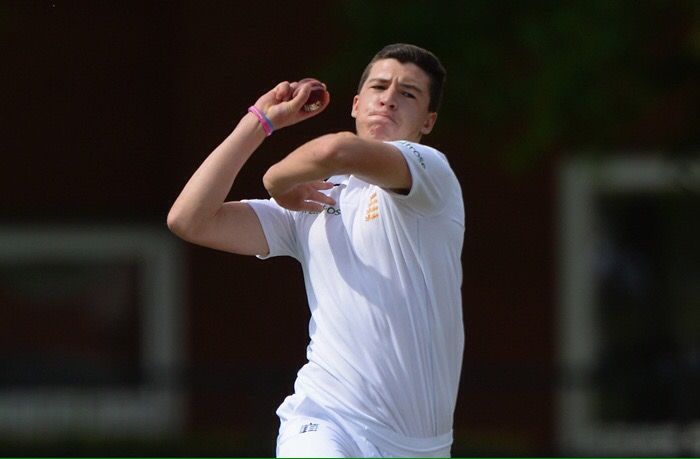
Still only just 18 years old, It’s hard to believe that almost three years have passed since this strapping fast bowler made his first team debut for the White Rose. Then just 15 years and 212 days old, he became the youngest post-war County cricketer when representing Yorkshire in a Yorkshire Bank 40 fixture against Leicestershire in June 2013. Whilst he scored just ten and returned figures of 1-40 from seven overs, it was clear for all to see – this was a special cricketer in the making.

With a fast bowling battery that’s unrivalled across the country for its sheer depth and variety, its understandable that regular opportunities haven’t been so easy to grasp for Fisher. That said, 2015 did represent a breakout season for the right-arm quick as he made both his first-class and T20 debuts for the county.

After a spate of early season injuries and England call-ups decimated the Yorkshire attack, Fisher was called upon to make his County Championship bow against Nottinghamshire in April – earning high plaudits in the process as he claimed former Zimbabwe batsman Brendan Taylor as his maiden victim in first-class cricket.

Further opportunities arrived in the form of the limited overs competitions too – where he became a regular across the summer after taking a dreamy 5-22 against Derbyshire on T20 debut. He would go on to claim 16 wickets in 13 T20 matches and eight wickets in as many matches in the one-day format.

What 2016 holds in store?

With David Willey arriving from Northamptonshire during the winter, and sighting a burning desire to fight his way into the England Test setup as a key factor, Fisher’s first-class exposure may have to put on hold for a little longer as Liam Plunkett, Jack Brooks, Ryan Sidebottom, Tim Bresnan and Steven Pattinson also still stand above him on the depth chart.

Limited overs cricket remains a different prospect though. Yorkshire’s recent philosophy of blooding youngsters in the T20 Blast and Royal London one-day competitions will surely see Fisher earn more opportunities to further enhance his rapidly developing reputation.

Daniel Lawrence (18) – Essex

Right-handed batsman Lawrence burst onto the scene with a chanceless 161 against Surrey last April, in doing so he became the third youngest batsman to register a Championship hundred at just 17 years and 290 days old.

His 2015 Championship fast-tracking was based on a strong winter campaign down under with Geelong side Newton and Chilwell and backed up with a string of impressive pre-season performances for Essex.

While his County form tapered off as the summer wore on, he reinstated his rich promise with two hundreds in three innings for the England U19’s against their Australian counterparts in August and continued to dominate during the winter with further impressive campaigns both in Sri Lanka and during the U19 World Cup in Bangladesh.

What 2016 holds in store?

The tides are turning in Chelmsford. After years of underachievement finally caught up with head coach Paul Grayson he left the club by mutual consent late last summer and has since been replaced by former England bowler Chris Silverwood.

Following Grayson out of the door over the winter were batsman Mark Pettini and Greg Smith, which is sure to spell more opportunities for Lawrence. While Alastair Cook will open the batting for Essex before England duties arrive in May, Lawrence is thereafter likely to slot in alongside Nick Browne at the top of the order with Tom Westley, Ravi Bopara, Jaik Mickleburgh and Jesse Ryder rounding out the top six.

Aneurin Donald (19) – Glamorgan

Not since Simon Jones arrived onto the scene in the late nineties has there been as much fanfare over a cricketer heralding from the land of the red dragon.

Like Jones, former England U19 captain Donald hails from the Welsh city of Swansea and like Jones, and Robert Croft before him, there is hope that he can one day represent the senior England side.

A middle-order batsman of huge potential, Donald made his Glamorgan debut in a first-class match at the backend of the 2014 summer and progressed further last year with five more Championship appearances including a career-best score of 98 to conclude the season in fine style against Gloucestershire.

Despite having played five limited over fixtures for Glamorgan last summer and being a former captain of the side he was initially left out of the England U19 setup throughout the winter before returning to play two unsuccessful matches during the disappointing World Cup campaign in February.

Prior to the tournament Donald spent time honing his batting at the Darren Lehmann Academy in Adelaide, where he also played grade cricket with mixed success.

What 2016 holds in store?

After finished the 2015 summer as the incumbent number four in the Glamorgan side, Donald will be hoping he retains his place for the beginning of the 2016 season.

Without the added pressures of academic work to concentrate on during the 2016 campaign, the whole of Wales will be hoping Donald can graduate into a regular contributor in the middle order, scoring his maiden first-class hundred in the process would also be a major goal.

image
Durham’s Jack Burnham topped the run-scoring charts at the recent U19 World Cup with 420 runs at 84. (Photo Credit: Getty Images)

Jack Burnham (19) – Durham

Unlike Donald, Durham’s Burnham had a excellent World Cup. His three hundreds in just six innings were enough to see him top the batting charts with 420 runs at 84.

In recent times the Championship’s most northerly county appear to be the gift that keeps on giving. Scott Borthwick, Ben Stokes and Mark Wood have all progressed through the Durham ranks into the England side recently and Burnham could become next off the conveyer belt.

After batting at number six and making 0 and 50 against Yorkshire at Scarborough on his first-class debut in August, Burnham struggled thereafter after being asked to open alongside Mark Stoneman in his remaining three matches.

Despite having success opening for Northumberland in Minor Counties cricket, Chester-le-Street -with its green wickets and overcast skies – is at times an unforgiving task, especially for an inexperienced rookie.

What 2016 holds in store?

With finances still tight in the North East, substantial player recruitment has been consigned to the back burner in recent times – leading to a major need for developing talent from within. This will again mean more opportunities in 2016 for Burnham and other young batsman such as Ryan Pringle, Graham Clark and Keaton Jennings.

Despite opening last summer and batting at number three in the U19’s World Cup, skipper Paul Collingwood would do much worse than letting Burnham develop his game further down the order.

Haseeb Hameed (19) – Lancashire 

Bolton-born Hameed made huge strides in 2015. After making his first-class debut for the Red Rose in August he went onto establish himself at the top of the order as Lancashire earned immediate promotion back to the top flight.

Those inside Old Trafford were not entirely surprised by the way Hameed took to Championship cricket with relative comfort. After all he had been earmarked as a player of special talent for quite some time.

A right-handed batsman with an excellent defensive technique and sound temperament, Hameed -who has represented the County since he was nine – was recently awarded with a new four-year contract for his progress in 2015, which included a career-best 91 against Surrey in September.

What 2016 holds in store?

After the disappointment of missing out on a place in the England U19 World Cup squad, Hameed will make the step up to Division One cricket with an extra motivation to prove a few people wrong.

He will make the step up seemingly in pole position to partner Karl Brown at the top of the Lancashire order after club stalwart Paul Horton was released during the fall.

As fellow young teammate Luis Reece will testify though, opening against Division One bowling attacks is a totally different proposition to that encountered in the Second Division. Facing international-quality attacks in early season conditions will test Hameed’s technique and temperament more than ever before – but many say he’s got the game to prosper in such circumstances.

Saqib Mahmood (19) – Lancashire

Much like Hameed, Lancashire also have high hopes for right-arm quick Mahmood. Born in Birmingham but raised in the Lancs’ town of Rochdale, he’s progressed through the youth ranks at both county and international level – impressing many along the way.

A strong fast bowler who stands at 6’3, Mahmood has endured a memorable year. After signing his first professional contact with Lancashire at the beginning of last summer and winning the England Development Programme cricketer of the year award in May, he went onto play three T20 matches in June before recently excelling with the England U19 side in their World Cup campaign.

His 13 wickets at just 12.69 in that tournament were six more than any of his teammates individually managed and only bettered throughout by Fritz Coetzee of Namibia (15 wickets) and Nepal’s Sandeep Lamichhane (14).

What 2016 holds in store?

Like rivals Yorkshire, Lancashire aren’t short of fast bowling options. Breaking into a side that’s likely to include several options in Tom Bailey, Nathan Buck, George Edwards, Kyle Jarvis, Neil Wagner and the evergreen Glen Chapple won’t be an easy task for Mahmood.

But like with any side hoping to challenge on all three fronts over the course of the summer, injuries and rotation are expected to play there part, meaning that Mahmood could once again become involved across the shorter formats.

image
Could Mason Crane of Hampshire be England’s next great legspinning hope? (Photo Credit: Getty Images)

Mason Crane (19) – Hampshire

Crane is a rare commodity in English cricket, a highly promising young legspinner with a well disguised googly.

Such is the current concern over English spin bowling, that when an 18-year-old Crane took ten wickets at 33 across his first three first-class matches last summer – he was being heralded as a saviour to the country’s spin crisis.

Many, including former England batman Mark Butcher, were even going as far as suggesting he should have being picked for England’s tour of the UAE in October. In retrospect, Crane must be given a longer chance to learn his craft at county level before he’s considered for the international scene.

Growing up watching Shane Warne play for Hampshire during the 2000’s, Crane has been a member of the academy since he was 14 and has developed soundly under the tutelage of Rajesh Maru and Darren Flint.

Like Mahmood, he impressed during the U19 World Cup. As well as taking seven wickets at 23, his economy rate of just 3.97 suggests he can also play a holding role with the ball.

What 2016 holds in store?

With longtime first choice spinner Danny Briggs seeking pastures new by moving east to Sussex, Crane could be given plenty of opportunities to be the number one spinner across all formats for Hampshire. That is if they decide to play the extra slow option to accompany spinning allrounder Liam Dawson.

Either way, Crane is regarded as a special talent who will definitely be given opportunities later in the summer once the pitches begin to dry out.

Matthew Carter (19) – Nottinghamshire

Much like Crane for Hampshire, offspinner Carter arrived onto the first-class scene with a bang. Making his bow at Taunton in July, he returned first innings figures of 7-56 – the best by a spin bowler on Championship debut since Leicestershire’s Jack Walsh took 7-46 against Northamptonshire in 1938.

Although he went onto turn the first innings seven-for into match figures of 10-195, he was unable to starve off defeat for Notts as Somerset squeezed home by two-wickets.

Despite his exploits at the County Ground Carter, the younger brother of former-Notts bowler Andy, wasn’t called upon again for the remainder of the summer. Instead he combined his playing time between the Notts Second XI and Minor Counties action with Lincolnshire.

A tall, but slender offspinner with a classical action he was awarded with a new two-year contract at the conclusion of he 2015 season.

What 2016 holds in store?

Whilst one swallow doesn’t make a summer, the impact of Carter’s debut performance at Taunton has led to a real long-term hope that he can one day replace Graeme Swann at Trent Bridge.

The major problem facing Carter though is that Notts play half of their matches at the seamer-friendly Trent Bridge. In recent years they have preferred to get by with four fast-men and the part time left-arm spin of Samit Patel.

His great hope for more playing could lie with the new ‘no toss ruling’ that could result in the Trent Bridge ground staff producing more even surfaces as the summer wears on.

Sam Curran (17) – Surrey

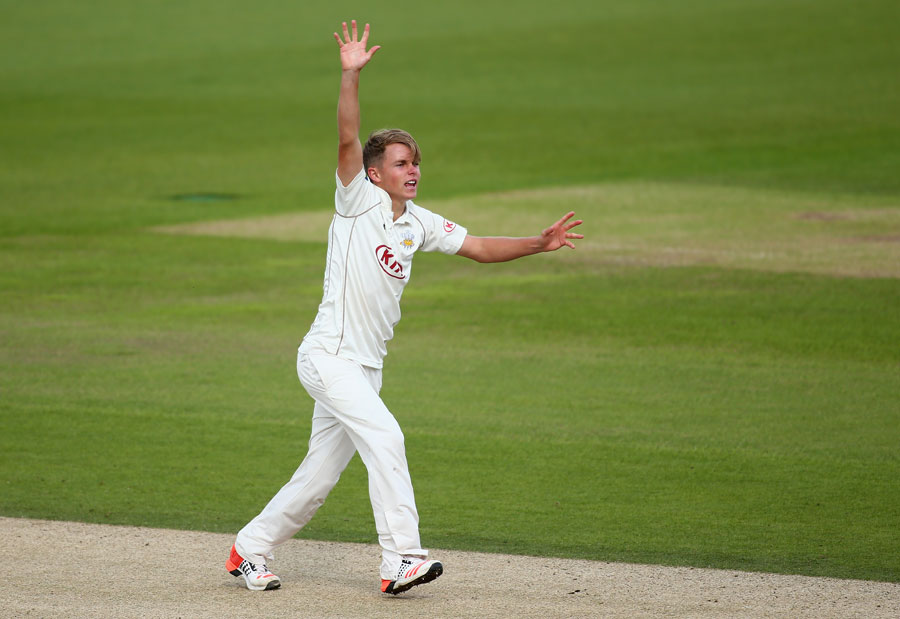
At 17, Curran is perhaps the best of the lot. A quick left-armer with the ability to swing the ball back into the right handers, his rapid rise in 2015 was nothing short of miraculous. From Wellington Collage pupil to Surrey match-winner in the blink of an eye.

Opening the bowling on debut alongside his older brother Tom, Sam Curran became the youngest player ever to take a County Championship five-wicket haul when he claimed 5-101 against Kent in July, aged just 17 and 40 days old.

After such an impressive debut, Curran went onto finish the season with 22 first-class wickets at 26 – helping Surrey win the Second Division title and finish runners up in the Royal London Cup in the progress.

Also a very capable batsman, Curran has followed in the career footsteps of his not just his brother Tom but also their late father Kevin, who was a professional cricketer for Northants, Gloucestershire and Zimbabwe. Thankfully for England both Sam and Tom have rebuffed advances to represent Zimbabwe and pledged their futures with the Three Lions.

What 2016 holds in store?

Despite the arrivals of West Indian Ravi Rampaul and Derbyshire’s Mark Footitt and the presence of Matt Dunn, Jade Dernbach and Stuart Meaker, both Curran brothers should be among the first names on the Surrey team sheet in the County Championship this summer. Making the step up from Division Two will ensure plenty challenges along the way, most notably the greater standard of batting and quality in pitches prepared.

After a stand out U19 World Cup campaign, further England opportunities such as the England Lions would represent a successful summer for this hugely exciting talent.

Also look out for…

Joe Clarke (19) – Worcestershire, Karl Carver (19) – Yorkshire, Matt Critchley (19) – Derbyshire, Brad Taylor (19) – Hampshire.

Can Mitchell Marsh emulate the successes of Ben Stokes?

While both hard-hitting allrounders are of a similar age – Stokes’ international career has taken off spectacularly in recent times. Marsh meanwhile remains, for now, a project player.

image
Mitchell Marsh celebrates his maiden international hundred against India last month.

Mitchell Marsh will struggle to remember a better day than Saturday 6th February 2016. It began with news of a gigantic cheque arriving from the IPL, involved a tidy bowling spell of 2-30, and concluded with an unbeaten series-levelling knock of 69.

Whilst Marsh watched on at the non-strikers end as big John Hastings hit the winning runs in Wellington, I instead found myself 5,258 kms away observing another game of cricket. A far simpler encounter between two WACA: 1st Grade sides at the picturesque Stevens Reserve ground in South Fremantle, Western Australia.

The first day skirmish between Fremantle District CC and Perth CC, played under the unrelenting WA sun, seemed a world away from the Chappell-Hadlee duel at the ‘Cake Tin’, even if it did include a pair of highly impressive youngsters in Tom Abell and Jhye Richardson.

So what’s the link you may ask?

Well, Fremantle is where it had all began for the Perth-born Marsh. The international recognition and IPL paycheque (Marsh was bought by new franchise Pune Rising Supergiants in Saturday’s auction IPL for INR 4 crores – around $1 million AUD) are both just rewards for an upbringing that began, like many Australian cricketers before him, in Grade cricket.

While a busy international schedule has contrived to restrict Marsh to just two Grade appearances for Freo this summer (the last of which was in early December) and accumulated in him contributing just eight runs, he remains a player still highly regarded among his contemporaries at the club.

After making his First Grade bow in 2006/07, Marsh lived up to his enormous potential two summers later when, as a 17-year-old, he made 208 from 171-deliveries when batting at number five against Gosnells. A week later he became the youngest Australian to play in the country’s domestic one-day competition, debuting for Western Australia against South Australia at Bunbury.

Such lofty heights were followed with more success in the U19’s – where he captained the side to World Cup success in New Zealand in 2010. Among his compatriots in that side were current limited-overs teammates Josh Hazlewood, Kane Richardson and Adam Zampa.

Whilst Marsh was ascending through the ranks in Australian cricket, at the other end of the planet Ashes rivals England were unearthing a promising allrounder of their own.

Like Marsh, Ben Stokes also played in the 2010 U19 World Cup – impressing with a century against India in the process. The similarities run much deeper than that too. Both men were initially introduced into the international game via the limited overs route, with Stokes’ ODI debut preceding that of Marsh’s by just two months in August 2011.

They also both made their Test bows in trying circumstances. Stokes in the Ashes whitewash of 2013/14 and Marsh a year later as Australia were demolished 2-0 by Pakistan in the UAE.

While they share several comparisons, what currently sets them apart is the impact that Stokes has already had in Test cricket. With 23 Tests to his name, the Englishman has contributed three centuries (including a double), Marsh, on the other hand has just one fifty across his 13 matches – an 87 in his second Test at Abu Dhabi.

Up until securing his maiden century in his 44th international appearance (an unbeaten 102 off 84 deliveries against India at the SCG), Marsh had encountered a difficult summer with the bat.

Unable to pass fifty before that joyous occasion at the SCG, he spent most of the summer in the dressing room nursing pad-rash after the top five all scored a glut of runs in series against New Zealand and the West Indies. His 88 runs across five Tests owed as much to a lack of opportunity than to any particularly poor form.

Even so he’s spent the summer keeping the wolves at bay as both the tabloids and social media alike took turns to jump on his back – something which Shane Watson had himself once become accustomed to.

So desperate to get his premier allrounder some time in the middle, captain Steve Smith contrived to promote Marsh up the order in both the rain affected new year Test in Sydney and the fourth ODI against India in Canberra.

Twice promoted to bat at number three, he endured relatively subdued knocks of 21 off 63 (against the West Indies) and a 42-ball 33 (against India), stalling the earlier progress of the openers on both occasions. Only later in the ODI series did Smith’s plan come to fruition when Marsh ended his four-year wait for an international ton.

Were it not for his bowling – once seen as his weaker suit – he could well have found himself out of the side. After initial doubts over his ability to hold up an end, his bowling has come on leaps and bounds in both control and pace. This has allowed Smith to use both Mitchell’s (Johnson and Starc), along with James Pattinson, to attack in short bursts.

With both Johnson and Starc absent for the duration of the West Indies series, Marsh eventually found himself as the side’s enforcer. Regularly clocking up speeds in excess of 140kph during the Boxing Day Test at the MCG, he finished the match with career-best figures of 4-61.

After initially taking four matches and seven innings to take his first Test wicket, Marsh’s record of 21 wickets at 31.61 are a solid return for essentially a fourth seamer. That 12 of those wickets have come in his six matches this summer shows of the hard work he’s put in with bowling coach Craig McDermott.

Marsh’s upturn in fortunes have occurred at a time when Stokes is rightfully being showered in appraisals. Coming off the back of a breakthrough series in South Africa, Stokes’ stock has never been higher. Australians across the land must be left wondering if their own 24-year-old allrounder can develop into such an attacking match winner.

The Man-of-the-series performance against the formerly number-one ranked South African’s bookended a year in which Stokes has played an enterprising part in a new beginning for English cricket.

He finished the series second to only Hashim Amla on the run scoring charts with 411 runs at 58.71 and fourth on the wickets tally with 12 victims at 29.16. His thunderous innings of 258 at Cape Town was brutality and insouciance at its very best.

Despite Stokes taking a little while to find his feet at the international level (he made three successive ducks against India in his second series in 2014) his Test performances in the past year have been highly impressive. Sitting alongside the Cape Town 258 are the 92 & 101 he made against New Zealand at Lords and the second innings 6-36 against Australia at Trent Bridge – both in the past twelve months.

On the surface combined Test batting (33.73) and bowling (38.07) averages hardly suggest a pathway to greatness for Stokes. But similar to both Ian Botham and Andrew Flintoff before him, it’s his ability to stand up and be counted that marks the redhead out as a dangerous customer in all forms of the game.

His inclusion adds much needed balance to an England side, not only ensuring Alastair Cook can play five bowlers, but also allowing Moeen Ali (a man with 14 first-class hundreds to his name) to bat at number eight. Rod Marsh and his selection committee will hope Marsh can soon fulfil a similar role for Australia.

While Marsh has a poor batting average of 24.64 throughout the 21 times he’s walked to the middle in Test cricket, it must be noted that at times, he’s been asked to perform a selfless act when batting with a declaration looming.

Despite his often infuriating ability to throw his wicket away when well set, Australia must resist the urge to drop Marsh down to number seven and bat keeper Peter Nevill ahead of him. Such theories were muted at the conclusion of November’s day/night Test in Adelaide – where Nevill scored an accomplished first-innings 66 in trying conditions. Thankfully for Marsh’s development those ideas were soon quickly forgotten.

After started out as a number six, Stokes was briefly shifted down to number seven during England’s tour of the Caribbean last spring. The move, aided by a strong desire to promote Moeen up the order, only truly resulted in Stokes adopting a reckless attitude to batting.

“If you pick someone to bat in a certain place they’ll bat that way” – words of former Durham teammate Stephen Harmison on describing Stokes’ demotion in the order last year.

Fortunately for Stokes’ development as a batsman, the dismissal of coach Peter Moores – following that disastrous series in the West Indies – abetted his return up the order. The decision to reinstate him at six – made by then interim-coach Paul Farbrace – has since being vindicated with the Left-hander excelling under on the added responsibility.

For Marsh the forthcoming two-Test series in New Zealand looms as a potentially defining one. With the ball expected to swing and seam as it did in England last winter, Trent Boult and co are sure to demand a thorough test of his defensive technique. A technique previously found wanting in such conditions.

With the ball, he also has a huge role to play for skipper Smith. With Starc still out injured and doubts over the short term fitness of both Pattinson and Peter Siddle, expect Marsh to bowl his fair share of tough overs.
There’s certainly a lot to admire about both Stokes and Marsh. In an era when allrounders in Test cricket are often portrayed as something that closely resembles gold dust, having one equipped to bat in a positive manner at number six, whilst also being able to bowl 140kph-plus as a fourth-change seamer, is invaluable.

Could next year’s Ashes campaign be a battle of the allrounders?

World Cup ecstasy to Ashes agony

Australian cricket review 2015

The highs of March’s World Cup glory were replaced by the lows of August’s Ashes failure, amid a year that witnessed a spate of returns and farewells.

IMG_1542

It was a year of farewells and new beginnings in Australian cricket. Triumph, heartbreak, legacy, retirement and groundbreaking – were all key words used during another rollercoaster year in Australia’s favourite summer sport.

Figures alone suggest that Australia has had a good 2015. They lost just three of their 13 Tests and three of their 19 ODIs, but of course figures only tell half of the tale.

On the surface the year concluded as it had begun – with captain marvel Steve Smith scoring a customary Test hundred whilst leading Australia to yet another dominate home series victory. However, scratch a little deeper and you’ll find that 2015 was a year in which the landscape changed across Australian cricket.

A new captain, vice-captain, wicketkeeper, spearhead quick, opening batsman, allrounder and chairman were just a few changes to occur over the past twelve months.

November saw Cricket Australia break new ground when the Adelaide Oval played host to cricket’s first ever day/night Test match. The three-wicket victory over New Zealand was by most accounts a resounding success with a grand total of 123,736 people attending the first three days of play.

On the field, deputising for the injured incumbent Test captain Michael Clarke, Smith had begun the year making 117 and 71 against India at the Sydney Cricket Ground – He concluded it with scores of 134* and 70* against the West Indies at the MCG – this time as permanent chief in commander.

Clarke’s demise conspired to be painful and rapid; Smith’s rise conspicuous and fruitful. Much like when Ricky Ponting reached the end of the road as captain in 2011, the changing of the guard was evident as it played out amongst the public spotlight of an Ashes campaign.

Unlike Ponting, Clarke wasn’t about to continue any further in the side. He would go on to announce his retirement from international cricket in an interview with old ally Shane Warne during the third morning of the fourth Ashes Test at Trent Bridge.

The timing of the decision came as no surprise. Amid a huge slump in form – in which his six 2015 Tests had brought just 196 runs at 21.77, and coupled with the strain of multiple injuries and the ongoing raw emotions over the death of Phillip Hughes last November, Clarke no longer had anything left to give.

His retirement would headline a host of farewells throughout the year. Ryan Harris, Chris Rogers, Brad Haddin and Mitchell Johnson all walked away from the international game, while Shane Watson chose to step aside from the Test arena.

Going into 2015, Australia had their eyes solely on two main prizes. A home World Cup victory and an away Ashes triumph. The first of which they had never achieved, the second hadn’t been ticked off for fourteen unthinkable years.

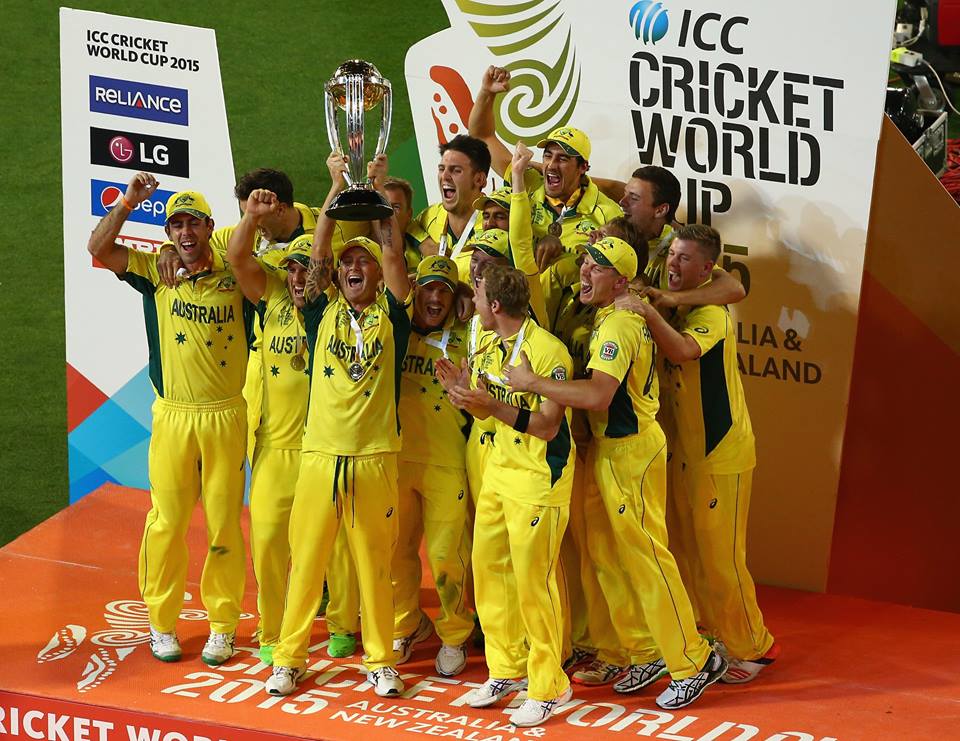
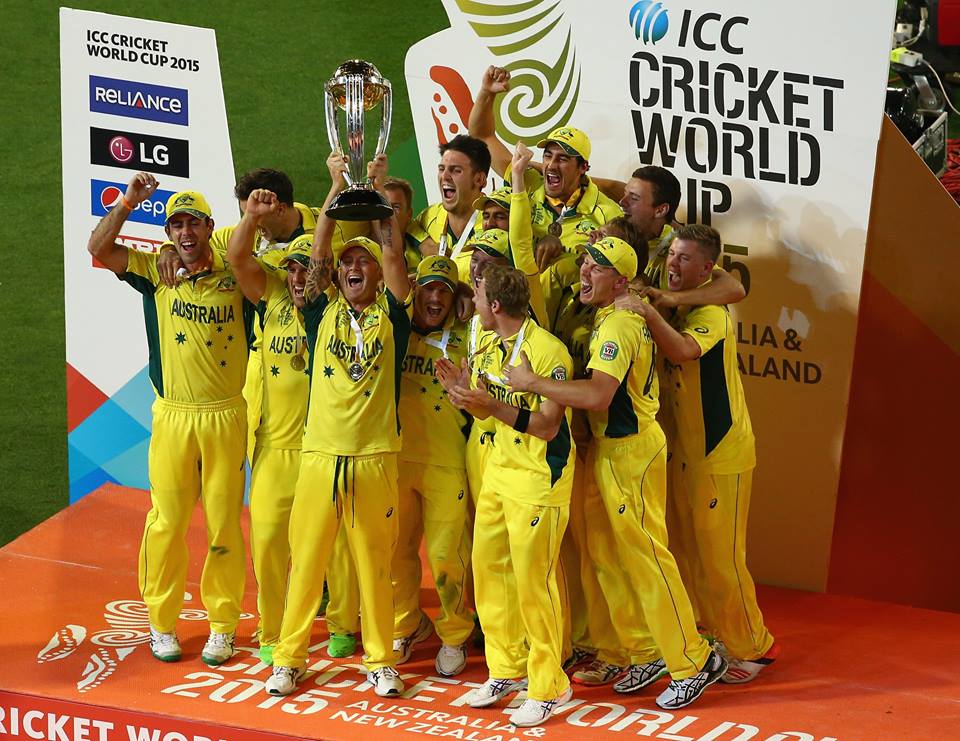
With the World Cup secured after an exhilarating seven-wicket victory over co-hosts New Zealand at the MCG in late March, perhaps also expecting Ashes success was too greedy.

The World Cup success was systematically built around a strong pace bowling unit, of which Mitchell Starc was the ultimate ringleader. The left-armer claimed a joint tournament-high 22 wickets at just 10.18. Alongside Johnson, Josh Hazlewood and Pat Cummins, he combined to obliterate all fellow challengers.

While the side that claimed the ODI silverware were a well drilled and balanced outfit in home conditions, the squad that arrived as favourites on English soil in June were overconfident, creaky and long in the tooth.

Once again found out by the seaming and swinging ball, a problem that has handicapped touring Australian sides for some years now, their brittle top and middle order were frequently lambs to the slaughter. Entering the green-top-abattoirs of Edgbaston and Trent Bridge, the tourists simply had no answers when confronted with James Anderson, Stuart Broad and co. wielding shiny new Dukes balls in helpful conditions.

Truth be told, much like the English side that travelled down under in 2013-14, this was an Ashes series too far for an ageing Australian squad with ten players over the age of 30 – four of whom were 35 or older.

Australia 60ao getty
The Trent Bridge scoreboard says it all. Photo Credit: Getty Images.

Given the pre-series nickname Dad’s Army, Clarke and his men played down the concerns of age, instead deciding to focus on the experience they had in their ranks. But once the series got underway it became clear many wouldn’t make it beyond its conclusion in late August.

After Harris pulled up lame during a pre-Ashes tour match at Chelmsford, it began a procession of untimely blows for the tourists. Selection blunders, personal issues and significant loss of form all contributed as the problems mounted, eventually reaching their summit on that frightful first morning in Nottingham.

The casualties provided by a failed Ashes campaign, led to more selection dilemmas. But only after a proposed two-Test tour of Bangladesh was cancelled on security grounds in October, did we begin to see the makeup of the new Test side – now under the fulltime stewardship of Smith.

Joe Burns, selected ahead of the younger Cameron Bancroft, has averaged 47.88 with two hundreds since being named as Rogers’ successor in early November. While Usman Khawaja shrugged off nine months of knee ligament rehabilitation to finally nail down the number three berth. Either side of a hamstring injury, the left-hander scored 504 runs at 126.00, including three consecutive hundreds.

Although there’s no denying that much greater challenges (than home series against New Zealand and the West Indies) await next year, the batting order already has a more balanced feel to it. That Shaun Marsh was dropped for the Boxing Day Test despite scoring 182 in his previous innings at Hobart shows that competition for places is strong.

The fast bowling stocks remain a slight concern. Despite the retirements of Harris and Johnson, the depth is still relatively broad; keeping men on the park is the real concern. Cummins, Starc and Nathan Coulter-Nile are all currently sidelined for the foreseeable future.

Alongside the flourishing comebacks of Burns and Khawaja, the return of James Pattinson – absent from the World Cup and Ashes campaigns with various back injuries – is a significant positive heading into 2016.

Away from the field, David Peever, a former managing director at mining giant Rio Tinto, took over as Cricket Australia chairman following Wally Edwards departure from the role in October. After four years in the position Edwards’ legacy will no doubt be his role in the so-called ‘Big Three’, he leaves CA in a sound financial predicament.

September saw substantial news regarding the future of international cricket in Perth. From 2018 onwards all limited overs cricket and Test matches against England, India and South Africa will be moved from the WACA to a new 60,000-seater stadium in Burswood. The move saw plenty of opposition with former Test great Dennis Lillee among the masses in stating his displeasure at the move.

Adelaide Oval day-night Test
A lit up Adelaide Oval plays host to the inaugural day/night Test match in November. Photo Credit: Getty Images.

High point: World Cup glory

When over 93,000 people packed into the MCG to witness a showdown between the tournaments two hosts, they expected a close game.

After a thrilling group stage match in Auckland a month earlier New Zealand, led by the effervescent Brendon McCullum, went into their first World Cup final on the crest of a wave. But Starc soon changed all that when he dismissed McCullum in the first over.

New Zealand could only limp to 183. Solid top order contributions from David Warner, Smith and Clarke saw Australia ease home in the 34th over to claim an unprecedented fifth World Cup crown.

Low point: 60 all out at Trent Bridge.

Going into that treacherous first morning at Trent Bridge, the Ashes were still on the precipice. Just 18.3 overs later and the English were essentially clutching the urn.

The insouciant way in which the Australian’s went about batting against Stuart Broad was simply dumbfounding. Sure, every edge went to hand and Ben Stokes, in particular, pulled off a world class grab in the slips, but Australia’s porous defence against the moving ball led to plenty of questions being asked.

An innings and 78-run defeat followed. The Ashes were handed over and with them Clarke handed over his resignation.

New kid on the block: Josh Hazlewood.

Since making his debut last December, Hazlewood has been an almost ever present (he missed just the fifth Ashes Test) in the Test side, taking 60 wickets at 24.13.

Despite struggling to control the amount of swing and seam on offer in English conditions, the 24-year-old impressed in both the West Indies and in home conditions.

With Johnson retired and Starc injured, Hazlewood stood up to be counted during the day/night Test in Adelaide last month. His match figures 9-136 were his career best and led to man-of-the-match honours.

Like with all young fast bowlers, its important he’s given adequate rest after playing a key role in recent series wins over New Zealand and the West Indies.

Fading Star: Michael Clarke

While six ageing players have retired this year, the decline of Michael Clarke is perhaps the greatest. He started the year not only still mourning the loss of Hughes, but also battling back and hamstring complaints and never fully recovered to find either his best form, or enthusiasm for the game.

The World Cup Final knock of 74 was his only innings of note before poor tours of the Caribbean and United Kingdom led to his inevitable retirement.

He left the game with 17,112 international runs spread across 115 Tests, 245 ODIs and 34 T20Is.

Richie Benaud getty
2015 saw Richie Benaud sign off for one last time. Photo Credit: Getty Images.

Farewell to: Richie Benaud & Arthur Morris

Benaud passed away in April at his Coogee home after a short battle with skin cancer. He was 84. A pioneer of cricket broadcasting later in life, Richie will also be fondly remembered as a deep thinking captain and superb legbreak bowler.

He played 63 Tests between 1952-1964 and finished his career with three centuries and 248 wickets.

Australian summers will not be the same without his distinctive voice being heard in the Channel Nine commentary box. Richie touched the lives of many – this author included.

Morris, a fellow Australian Cricket Hall of Famer, died in August aged 93. He made his name as a tremendous left-handed opening batsman, starting out at the conclusion of the Second World War.

He shot to fame as part of Don Bradman’s famous invinclibles Ashes tour of 1948 – where he topped the run scoring charts with 696 runs at 87.00. One of the last living players from that tour (Only Neil Harvey remains) he finished his career in 1955 having played 46 Tests in the Baggy Green.

What 2016 holds?

Like with any year, Australia’s progress will be judged on their away success. More to the point their ability to play the swinging and spinning ball in alien conditions.

A two-Test tour of New Zealand in February should be a measure of how much they have learnt from their mistakes against the moving ball in England, while a series in Sri Lanka later in the year will gauge where they are at regarding the spinning ball, a fundamental problem during recent tours on the subcontinent.

The ICC World Twenty20, set to be hosted by India in March, will offer further insight into whether Aaron Finch’s side can click as a unit after previous disappointment in the only format Australia has yet to win a global tournament in.

The home summer concludes the year when both South Africa and Pakistan head down under, with discussions already underway to stage at least one day/night Test.


The stuttering career of ‘Lil’ Bravo

Once heralded as the future of West Indian batting, Darren Bravo has instead found himself stuck inside the shadow of his hero Brian Lara. 

Darren Bravo disappointed
Photo Credit: Getty Images.

One of the most fascinating aspects of cricket is defining its different contrasts throughout various eras and generations.

Whether its hours spend down the local pub discussing the great teams and individual players with friends or colleagues, or time spent self analysing various matches and stats – trying to determine the benchmark between very good and great.

Defining players throughout eras is a complex and usually unfulfilling task – after all Test cricket has changed tremendously throughout the past century. From timeless matches, to covered pitches, bigger bats and now day/night matches – it’s almost impossible to compare a player from, say…the 1960’s to one in the present day.

It does though become easier defining greatness among contemporises. By this logic we can assume that the likes of Ponting, Sachin Tendulkar, Brian Lara and Jacques Kallis were a cut above the rest during the 1990’s and 2000’s. Messrs AB de Villiers and Kumar Sangakkara, have since continued this batting excellence into the present.

What about the future batting greats?

Martin Crowe, the former New Zealand batsman, was the first to mute the idea of “Test cricket’s young Fab Four”. In an article published on ESPNcricinfo in August 2014, Crowe suggested that Test cricket’s next four batting superstars would be: Virat Kohli (India), Joe Root (England), Steven Smith (Australia) and Kane Williamson (New Zealand).

Even back then it was hard to argue against the four choices given, except – I believed there was one name missing – Darren Bravo of the West Indies.

If Kohli was the new Tendulkar, Root the heir apparent to Michael Vaughan, Smith the next Steve Waugh and Williamson, of course, the next Martin Crowe, then surely wasn’t Bravo the new Lara?

At the time of the publication, (August 29th 2014) Bravo was very much holding his own as a Test batsman. In fact his record was better than those of Kohli, Smith and Williamson.

Test batting stats before August 29th 2014

Bravo – 2196 runs at 43.92 (30 matches)

Root – 1732 runs at 50.94 (22 matches)

Kohli – 1855 runs at 39.46 (29 matches)

Williamson – 2377 runs at 40.28 (34 matches)

Smith – 1361 runs at 40.02 (20 matches)

Test batting stats since August 29th 2014

Bravo – 545 runs at 32.05 (9 matches)

Root – 1288 runs at 61.33 (13 matches)

Kohli – 1139 runs at 54.23 (12 matches)

Williamson – 1250 runs at 78.12 (10 matches)

Smith – 2015 runs at 74.62 (16 matches)

However, as time passes it’s becoming much more difficult to argue against his non-inclusion in Crowe’s thoughts. On the other hand, the wisdom shown to pick out Kohli, Root, Smith and Williamson is becoming extremely well vindicated.

While the four mentioned by Crowe have all since taken their batting to the next level, Bravo has been left trailing in their wake. His batting has regressed alarmingly, so much so that across seven Tests this calendar year he’s averaging just 30.71 – with no hundreds. A far cry from the player once regarded as a future great by no finer judges than Lara and Steve Waugh.

So what has happened to the once promising career of Darren Bravo?

After a solid start to his Test career – which peaked with career high average of 52.50 after 13 Tests –his average has now plummeted to an ordinary 40.91 after 39 Tests.

“Darren Bravo from the West Indies. He is identical to Brian Lara in every way. He is world cricket’s next superstar, no doubt.” – Steve Waugh (February 2012)

When at his best, the Lara comparisons are never far away. As a youngster he used to hone his game solely on his first cousin. Only watching cricket on television because of Lara, as soon as ‘The Prince’ was dismissed, Bravo would switch off the TV and head outdoors to bat himself.

Such was the obsession, he would also skip school just to go and admire Lara at practice. Born in the same north Trinidadian village of Santa Cruz, the pair has grown close over the years. Bravo has, on more than one occasion, crediting Lara with helping him correct both technical and mental deficiencies.

But the similarities run much deeper than that – at times their mannerisms at the crease are so alike it’s almost freaky. The high back-lift, the flowing cover drive and the excellence against subcontinental spin bowling are all traits shared by the two men. However, the freakiest resemblance between the pair was their identical batting records after 12 Tests – both men had scored 941 runs at 47.05.

While Lara continued his path towards greatness during a 131-Test match career, Bravo has so far struggled to maintain the consistency required to differentiate between being a good and a great batsman.

Going into their three-match Test tour of Australia, the West Indies need their elegant left-hander to fire more than ever. Besides Marlon Samuels, Bravo, 26, is the most experienced batsman in a side shorn of the onetime experience of Chris Gayle, Ramnaresh Sarwan, Shivnarine Chanderpaul, and Darren’s older half-brother Dwayne.

While the younger Bravo made three starts (50, 31 & 61) in four innings during the recent two-Test tour of Sri Lanka, his average has continued a steady decline throughout the past few years. After averaging 37 in 2012, 2013 and 2014, he’s barely touched 30 in 2015. In a nutshell – not good enough for a man of his obvious talents.

Darren Bravo Dunedin

Bravo during his maiden Test double-hundred in Dunedin. Photo Credit: Getty Images.

Personal issues – which have forced him out of away series in New Zealand and South Africa during the past two years – could well be to blame. As could the added expectations and responsibilities placed on his shoulders following the exile of many experienced teammates.

Despite a brief flirtation with IPL side Deccan Chargers in 2012, Bravo has remained soundly loyal to the West Indies cause throughout the tough times. Times that have seen the Test side striped of their prize assists by the riches of various worldwide T20 franchises.

While it’s certainly admirable that Bravo still regards Test cricket as ‘the ultimate’, it’s certainly not a view currently shared by many across the Caribbean. Onetime Test players Gayle, Dwayne Bravo, Darren Sammy, Lendl Simmons, Sunil Narine and Andre Russell now all exclusively play just limited overs internationals, while others such as Kieron Pollard, Samuel Badree and Kevon Cooper have too made their names almost solely in T20 cricket.

Despite the emergence of a new group of young Test batsman – headlined by Jermaine Blackwood and Kraigg Brathwaite – the region is struggling to cope without the capabilities and international know-how of the aforementioned nine.

With the fluctuating career of Samuels showing signs of reaching its conclusion, Bravo must be on hand to recapture the form he showcased in late 2011. This purple patch saw him register a maiden Test hundred in Bangladesh (195 in Dhaka) before following it up with successive hundreds (136 in Kolkata & 166 in Mumbai) in India just weeks later.

Without a hundred in his first nine matches, three followed in just four matches; Bravo had arrived on the international stage. Perhaps it was a late summer stint with County side Nottinghamshire that led to his upturn in fortunes, either way it was another year until he scored his fourth Test hundred – again in Bangladesh (127 in Khulna).

A further year passed before he scored his fifth hundred, this time a career best 218 against New Zealand in Dunedin. After several stints away from the Test side, he has scored just one further century since, 109 on his home ground Queen’s Park Oval, way back in June 2014.

Sadly Bravo isn’t the only recent young West Indian batsman to make a strong introduction to Test cricket, before fading away. Fellow Trinidadian Adrian Barath made a superb counterattacking hundred on debut at the Gabba six years ago; he’s since drifted away – not just from the international scene, but from regional cricket too.

Like Barath, fellow opener Kieran Powell has also suffered a similarly disheartening fate. A product of Somerset’s illustrious Millfield School, Powell played his last Test against New Zealand in June 2014 before being dropped in favour of the uncapped Leon Johnson.

He’s endured a tough time since the international breakthrough that saw him register a maiden Test hundred against New Zealand in 2012. An innings that was backed up with twin centuries in Bangladesh later that year.

Like Bravo, the Nevis-born Powell has suffered from personal issues in the latter half of his international career – now just 25; he was last seen playing first-class cricket for Tamil Union in the Sri Lankan Premier League tournament in March.

Unlike Barath and Powell, Bravo is still very much central to the West Indies future plans. Building a team around him along with the likes of Brathwaite, Blackwood and Captain Jason Holder remains vital – especially if the West Indies still harbour any hopes of touching past glories.

Despite a couple of lean years, Bravo’s career shouldn’t yet be viewed as a failure. Only seven months ago he showcased the best of his batting when contributing a match-winning 82 against an English attack that included both James Anderson and Stuart Broad.

Turning the frequent starts into regular hundreds should be a future goal that Bravo sets himself. Upcoming visits to Hobart, Melbourne and Sydney (where Lara once made a majestic 277) would be good places to begin.

For ‘Lil’ Bravo – it’s time to step out of Brian Lara’s shadow.